par SFCCE | 2020 | Publication Santé
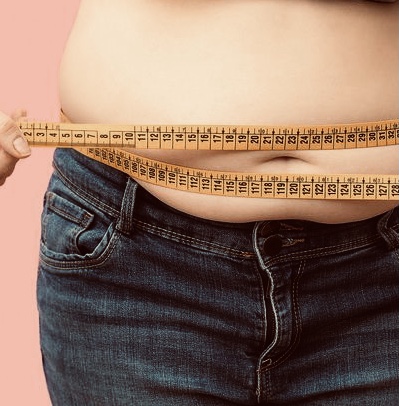
Abdominal obesity predominates in menopausal women (MW) and contributes to the development of metabolic syndrome (MetS). It is associated with increased mortality related to cardiovascular disease, diabetes and fatty liver disease. The effects of whole-body cryotherapy (WBC) on body composition and the blood concentration of irisin, interleukin-6 (IL-6) and C-reactive proteins (CRP) in MW with MetS and in healthy women (HW), were assessed. The study included 19 women with MetS (61.53 ± 3.99 y, BMI 30.09 ± 4.98 kg/m2) and 18 HW (60.28 ± 3.63 y, BMI 25.50 ± 2.37 kg/m2) who were subjected to 20 WBC treatments at -130 °C for 3 min daily. In both groups, body mass (BM), BMI, abdominal circumference, triceps skinfold, total fat mass and percentage of leg fat significantly decreased after 20 WBC sessions. Additionally, the percentage of total, trunk and android fat in the MetS group were significantly decreased after 20 WBC applications. Waist circumference (WC) and waist-to-height ratio (WHtR) significantly decreased in both groups, and in the HW group, hip circumference and abdominal skinfold also significantly decreased after 10 WBC and 20 WBC treatments. In both groups, the concentration of plasma irisin significantly increased after 1 WBC and 10 WBC exposures, while the concentration of IL-6 significantly increased only in MetS group after 10 WBC and 20 WBC, and were significantly higher than in HW. CRP concentrations were significantly higher in the MetS group than in HW before 1 WBC, after 1 WBC and 10 WBC sessions, but not after 20. In the MetS group, there were significant negative correlations between the change in irisin level and the changes in WC and BM, and between the level of irisin and the change in percentage of total fat, and significant negative correlations between the change in IL-6 level and changes in WC, waist-to-hip ratio and WHtR. Whole-body cryotherapy, assuming the application of 20 treatments in the series, reduces abdominal obesity in menopausal women indirectly through the secretion of irisin and IL-6, and can be used as adjunctive therapy in the treatment of metabolic syndrome. Our conclusion is limited to menopausal women with low-moderate physical activity for whom its level as well as diet were not changed during the treatment.
Wiecek, M, Szymura, J, Sproull, J, Szygula, Z. (2020)
Full Article : https://pubmed.ncbi.nlm.nih.gov/32872598/


 SFCCE
SFCCE 