par SFCCE | 2020 | Publication Santé
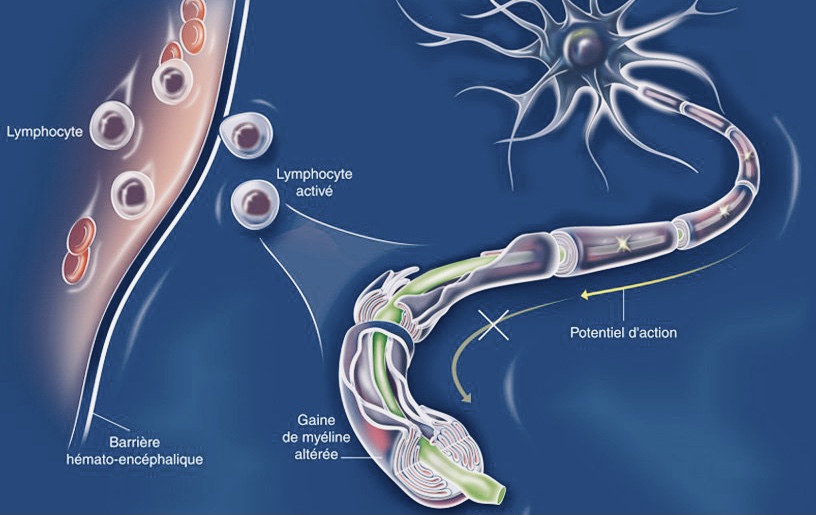
Multiple sclerosis (MS) is the most common autoimmune disease of the central nervous system (CNS), with an inflammatory demyelinating basis and a progressive course. The course of the disease is very diverse and unpredictable. Patients face many problems on a daily basis, such as problems with vision; sensory, balance, and gait disturbances; pain; muscle weakness; spasticity; tremor; urinary and fecal disorders; depression; and rapidly growing fatigue, which significantly influences quality of life among MS patients. Excessive fatigue occurs in most MS patients in all stages of this disease and is named MS-related fatigue. The crucial issue is the lack of effective treatment; therefore, this review focuses not only on the most common treatment methods, but also on additional novel therapies such as whole-body cryotherapy (WBC), functional electrical stimulation (FES), and non-invasive brain stimulation (NIBS). We also highlight the advantages and disadvantages of the most popular clinical scales used to measure fatigue. The entire understanding of the origins of MS-related fatigue may lead to the development of more effective strategies that can improve quality of life among MS patients. A literature search was performed using MEDLINE, EMBASE, and PEDro databases.
Zielińska-Nowak, E, Włodarczyk, L, Kostka, J, Miller, E. (2020)
Full Article : https://pubmed.ncbi.nlm.nih.gov/33171768/


 SFCCE
SFCCE 