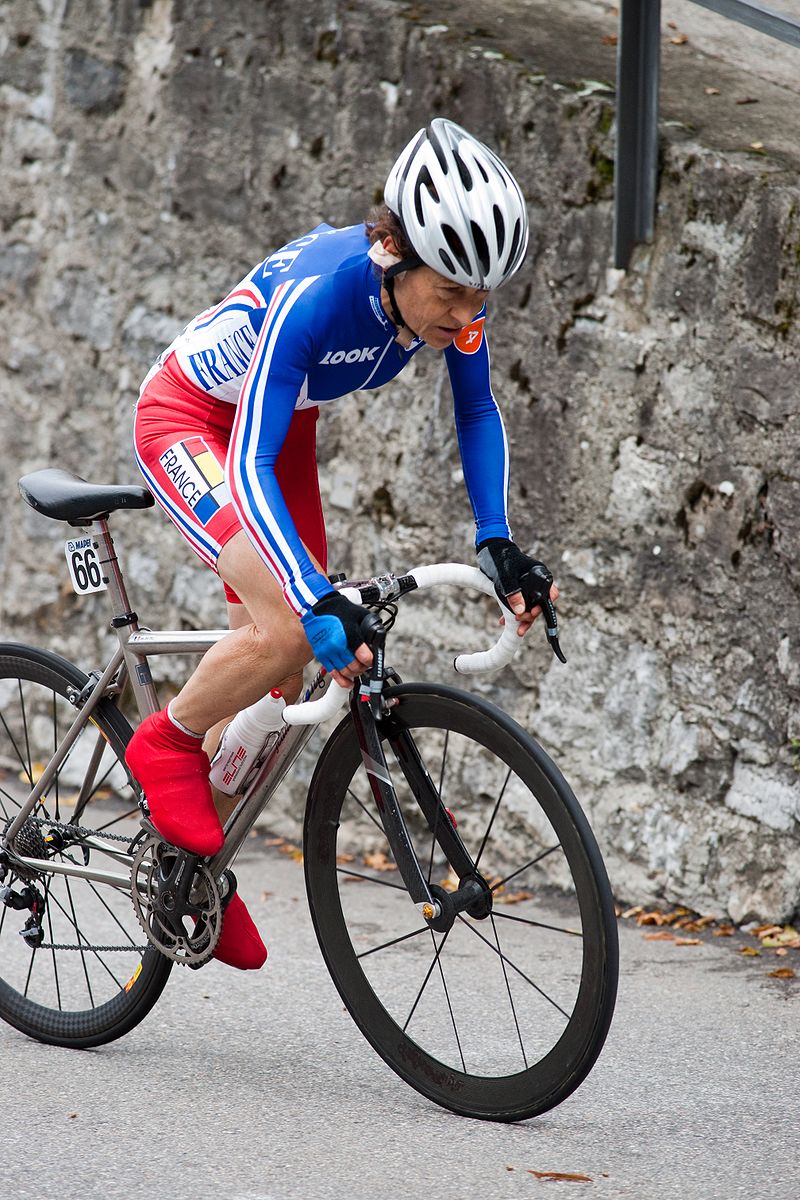
Effects of whole-body cryotherapy on the innate and adaptive immune response in cyclists and runners.

par SFCCE | 2020 | Publication Sport
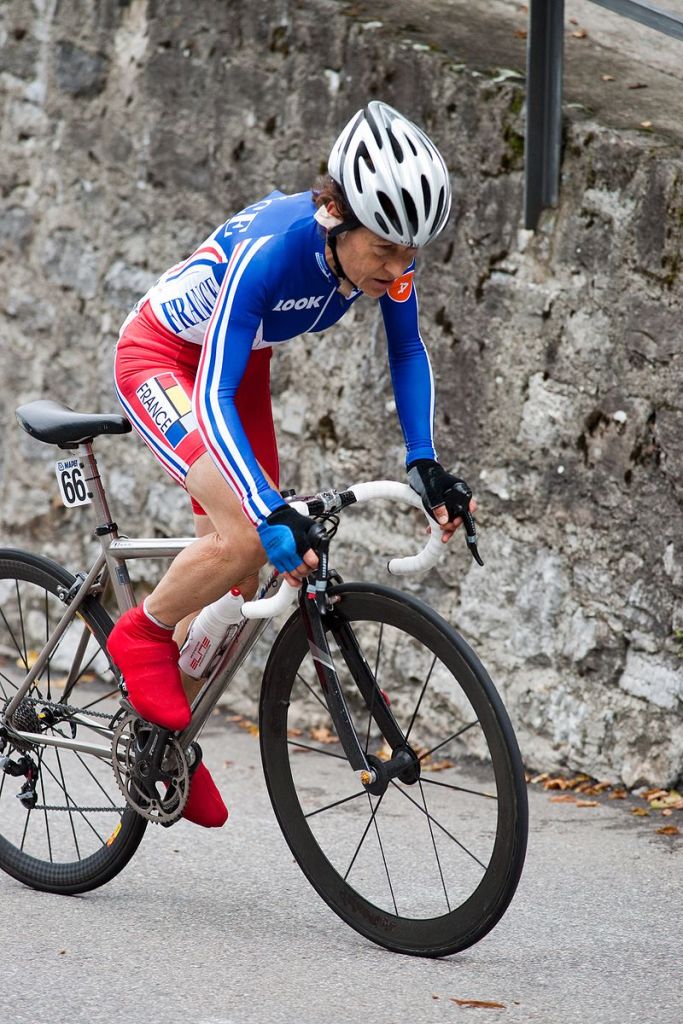
The study aimed to identify the effects of whole-body cryotherapy (WBC) on immunological, hormonal, and metabolic responses of non-professional male athletes. Ten cyclists and ten middle-distance runners received 3 once-a-day sessions of WBC. Before initiating and after the final WBC session, a full set of hematologic parameters, serum chemistry profile, hormones, circulating mitochondrial (mt) DNA levels, cytokines, and chemokines concentration were evaluated. The phenotype of monocyte, T cells, and B cells was analyzed. mRNA expression of 6 genes involved in inflammasome activation (NAIP, AIM2, NLRP3, PYCARD, IL-1β, and IL-18) was quantified. WBC reduced glucose and C and S protein and increased HDL, urea, insulin-like growth factor (IGF)-1, follicle-stimulating hormone, IL-18, IL-1RA, CCL2, and CXCL8. Intermediate and non-classical monocyte percentages decreased, and the CD14, CCR5, CCR2, and CXCR4 expressions changed in different subsets. Only IL-1β mRNA increased in monocytes. Finally, a redistribution of B and T cell subsets was observed, suggesting the migration of mature cells to tissue. WBC seems to induce changes in both innate and adaptive branches of the immune system, hormones, and metabolic status in non-professional male athletes, suggesting a beneficial involvement of WBC in tissue repair.

Nasi, M, Bianchini, E, Lo Tartaro, D, De Biasi, S, Mattioli, M, Paolini, A, Gibellini, L, Pinti, M, De Gaetano, A, D’Alisera, R, Roli, L, Chester, J, Vittoria Mattioli, A, Polverari, T, Maietta, P, Tripi, F, Stefani, O, Guerra, E, Savino, G, Trenti, T, Cossarizza, A. (2020)

Full Article :  https://pubmed.ncbi.nlm.nih.gov/33159311/ 
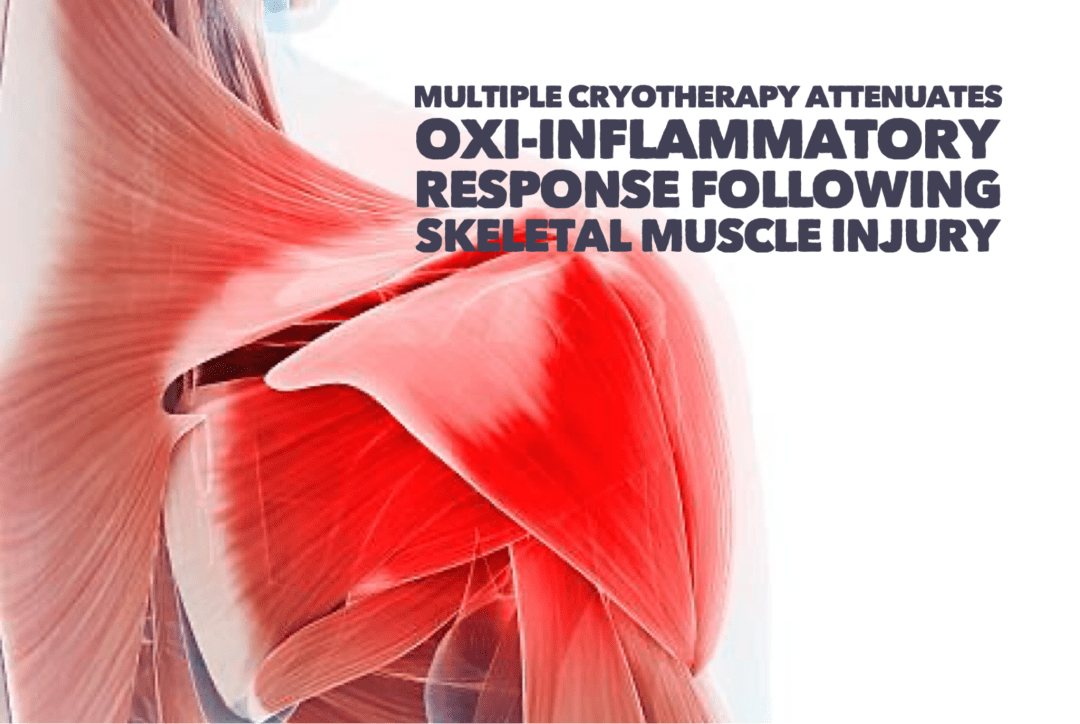
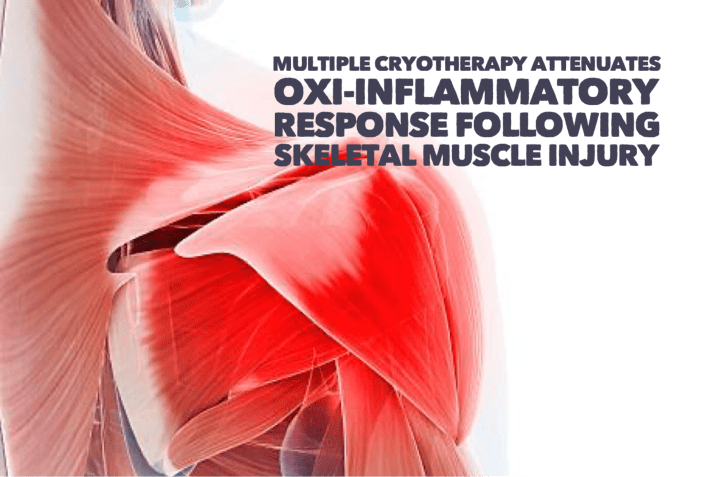
Multiple Cryotherapy Attenuates Oxi-Inflammatory Response Following Skeletal Muscle Injury

par SFCCE | 2020 | Publication Sport

The oxi-inflammatory response is part of the natural process mobilizing leukocytes and satellite cells that contribute to clearance and regeneration of damaged muscle tissue. In sports medicine, a number of post-injury recovery strategies, such as whole-body cryotherapy (WBC), are used to improve skeletal muscle regeneration often without scientific evidence of their benefits. The study was designed to assess the impact of WBC on circulating mediators of skeletal muscle regeneration. Twenty elite athletes were randomized to WBC group (3-min exposure to -120 °C, twice a day for 7 days) and control group. Blood samples were collected before the first WBC session and 1 day after the last cryotherapy exposure. WBC did not affect the indirect markers of muscle damage but significantly reduced the generation of reactive oxygen and nitrogen species (H2O2 and NO) as well as the concentrations of serum interleukin 1β (IL-1β) and C-reactive protein (CRP). The changes in circulating growth factors, hepatocyte growth factor (HGF), insulin-like growth factor (IGF-1), platelet-derived growth factor (PDGFBB), vascular endothelial growth factor (VEGF), and brain-derived neurotrophic factor (BDNF), were also reduced by WBC exposure. The study demonstrated that WBC attenuates the cascade of injury-repair-regeneration of skeletal muscles whereby it may delay skeletal muscle regeneration.

Zembron-Lacny, A, Morawin, B, Wawrzyniak-Gramacka, E, Gramacki, J, Jarmuzek, P, Kotlega, D, Ziemann, E. (2020)

Full Article :  https://pubmed.ncbi.nlm.nih.gov/33120891/ 

Short-Term Resistance Training Supported by Whole-Body Cryostimulation Induced a Decrease in Myostatin Concentration and an Increase in Isokinetic Muscle Strength

par SFCCE | 2020 | Publication Sport

The study aimed to determine whether combining cryostimulation with resistance training would effectively increase muscle strength, and if so, whether this adaptation would be related to changes in circulating levels of exerkines (i.e., mediators of systemic adaptation to exercise).Twenty-five students completed 12 sessions of resistance training, each followed by either cryostimulation (n = 15, 3 min exposure at -110 °C) or passive recovery (n = 10). Prior to and post this intervention, participants performed two eccentric cycling bouts (before and after training). At these points, serum concentrations of muscle damage marker (myoglobin), exerkines (interleukin 6 (IL-6), interleukin 15 (IL-15), irisin, brain-derived neurotrophic factor), hypertrophy-related factors (myostatin, insulin-like growth factor 1), and muscle strength were measured. The applied procedure reduced the physiological burden of the second eccentric cycling bout and myoglobin concentrations only in the group subject to cryostimulation. The same group also exhibited decreased levels of myostatin (from 4.7 ± 1.7 to 3.8 ± 1.8 ng·mL-1, p < 0.05). A significant and large interaction between the group × time was noted in IL-15 concentration (p = 0.01, ηp2=0.27). Training and cryostimulation induced a positive and likely significant improvement of isokinetic muscle strength. Altogether, obtained results support the claim that resistance training combined with cold exposure modified muscle strength through modulation of myostatin and IL-15 concentrations.

Jaworska, J, Rodziewicz-Flis, E, Kortas, J, Kozłowska, M, Micielska, K, Babińska, A, Laskowski, R, Lombardi, G, Ziemann, E. (2020) 

Full Article :  https://pubmed.ncbi.nlm.nih.gov/32751455/ 

Differences in cryostimulation and sauna effects on post-exercise changes in blood serum of athletes

par SFCCE | 2020 | Publication Sport

Objectives: There is a growing body of evidence supporting the role of whole-body cryostimulation (WBC) and sauna – bathing as treatments for relaxation, mental well-being and several health problems. Despite their polar opposite temperatures, both of these treatments come with a dose of similar health benefits. This study is designed to compare effects of WBC and sauna application on the athletes’ response to exercise.

Design: The blood samples were collected from 10 professional cross-country skiers at four stages: before exercise, after exercise, at 1-h recovery and after 24 h of rest in sessions before and after 10 thermal treatments. Differential scanning calorimetry (DSC) was used to examine the process of serum denaturation. The parameters of endothermic transition were compared at various stages of each exercise session.

Results: Post-exercise changes in DSC profiles of athlete’s blood serum are similar in character but clearly stronger in the session held after sauna treatments and slightly weaker after WBC than those in the session not preceded by treatments. These changes can be, at least in part, explained by the exercise induced increase in the concentration of oxidized albumin. A return of serum denaturation transition to pre-exercise shape has been observed within a few hours of rest. It suggests relatively quick restoration of a fraction of non-oxidized albumin molecules during the recovery period.

Conclusions: An exercise performed by athletes after a series of sauna treatments leads to temporary greater modification of the blood serum proteome than the similar exercise during the session preceded by WBC treatments.

Michnik, A, Duch, K, Pokora, I, Krępa, ES. (2020)

Full Article :  https://pubmed.ncbi.nlm.nih.gov/32507419/ 

Effect of an Innovative Mattress and Cryotherapy on Sleep after an Elite Rugby Match

par SFCCE | 2020 | Publication Sport

Introduction: This study aimed to explore the relationship between elite rugby union match and postmatch sleep architecture and to investigate the effects of a high-heat capacity mattress (MAT) and a whole-body cryotherapy (WBC) session on postmatch sleep architecture.

Methods: Nineteen elite male U23 rugby union players performed in three official matches, followed by three experimental conditions, in a randomized order: MAT, WBC, and no intervention (CONT). Match load was evaluated using GPS trackers and video analyses. Sleep architecture was assessed by polysomnography (PSG). Core body temperature (CBT) and mattress surface temperature were monitored during sleep. Linear mixed-effects models were conducted to assess the effects of each experimental condition on sleep, with match load variables as covariates.

Results: A lower wake after sleep onset (β = -10.5 min, P < 0.01) and higher rapid eye movement sleep proportion (β = +2.8%, P < 0.05) were reported for MAT compared with CONT. Moreover, lower mean CBT (β = -0.135°C, P < 0.001) and mean mattress surface temperature (β = -2.736°C, P < 0.001) during sleep were observed for MAT compared CONT. WBC did not affect nocturnal CBT nor interfere with sleep architecture. For every 100-m increase in high-speed running distance, a higher slow wave sleep (β = +1.1%, P = 0.05) and lower light sleep proportion (β = -1.2%, P < 0.05) proportion were observed. Conversely, for every 10 supplementary collisions, lower slow wave sleep (β = -1.9, P = 0.09) and higher light sleep (β = +2.9%, P < 0.001) proportion were observed.

Conclusion: MAT use had a positive effect on sleep architecture after an elite rugby union match, potentially through a more efficient nocturnal heat transfer.

Aloulou, A, Leduc, C, Duforez, F, Piscione, J, Cheradame, J, Bieuzen, F, Thomas, C, Chennaoui, M, VAN Beers, P, Nedelec, M..  (2020)

Full Article :  https://pubmed.ncbi.nlm.nih.gov/32472928/ 

Cryotherapy Models and Timing-Sequence Recovery of Exercise-Induced Muscle Damage in Middle- and Long-Distance Runners

par SFCCE | 2020 | Publication Sport

Context: Among sports-recovery methods, cold-water immersion (CWI), contrast-water therapy (CWT), and whole-body cryotherapy (WBC) have been applied widely to enhance recovery after strenuous exercise. However, the different timing effects in exercise-induced muscle damage (EIMD) after these recovery protocols remain unknown.

Objective: To compare the effects of CWI, CWT, and WBC on the timing-sequence recovery of EIMD through different indicator responses.

Design: Crossover study.

Setting: Laboratory.

Patients or other participants: Twelve male middle- and long-distance runners from the Beijing Sport University (age = 21.00 ± 0.95 years).

Intervention(s): Participants were treated with different recovery methods (control [CON], CWI, CWT, WBC) immediately postexercise and at 24, 48, and 72 hours postexercise.

Main outcome measure(s): We measured perceived sensation using a visual analog scale (VAS), plasma creatine kinase (CK) activity, plasma C-reactive protein (CRP) activity, and vertical-jump height (VJH) pre-exercise, immediately postexercise, and at 1, 24, 48, 72, and 96 hours postexercise.

Results: For the VAS score and CK activity, WBC exhibited better timing-sequence recovery effects than CON and CWI (P < .05), but the CWT demonstrated better effects than CON (P < .05). The CRP activity was lower after WBC than after the other interventions (P < .05). The VJH was lower after WBC than after CON and CWI (P < .05).

Conclusions: The WBC positively affected VAS, CK, CRP, and VJH associated with EIMD. The CWT and CWI also showed positive effects. However, for the activity and timing-sequence effect, CWT had weaker effects than WBC.

Qu, C, Wu, Z, Xu, M, Qin, F, Dong, Y, Wang, Z, Zhao, J. (2020) 

Full Article :  https://pubmed.ncbi.nlm.nih.gov/32160058/ 

Le froid n’existe pas !

Auteur : Dr Ivan Zagori

Agitation thermique – Mouvements Browniens
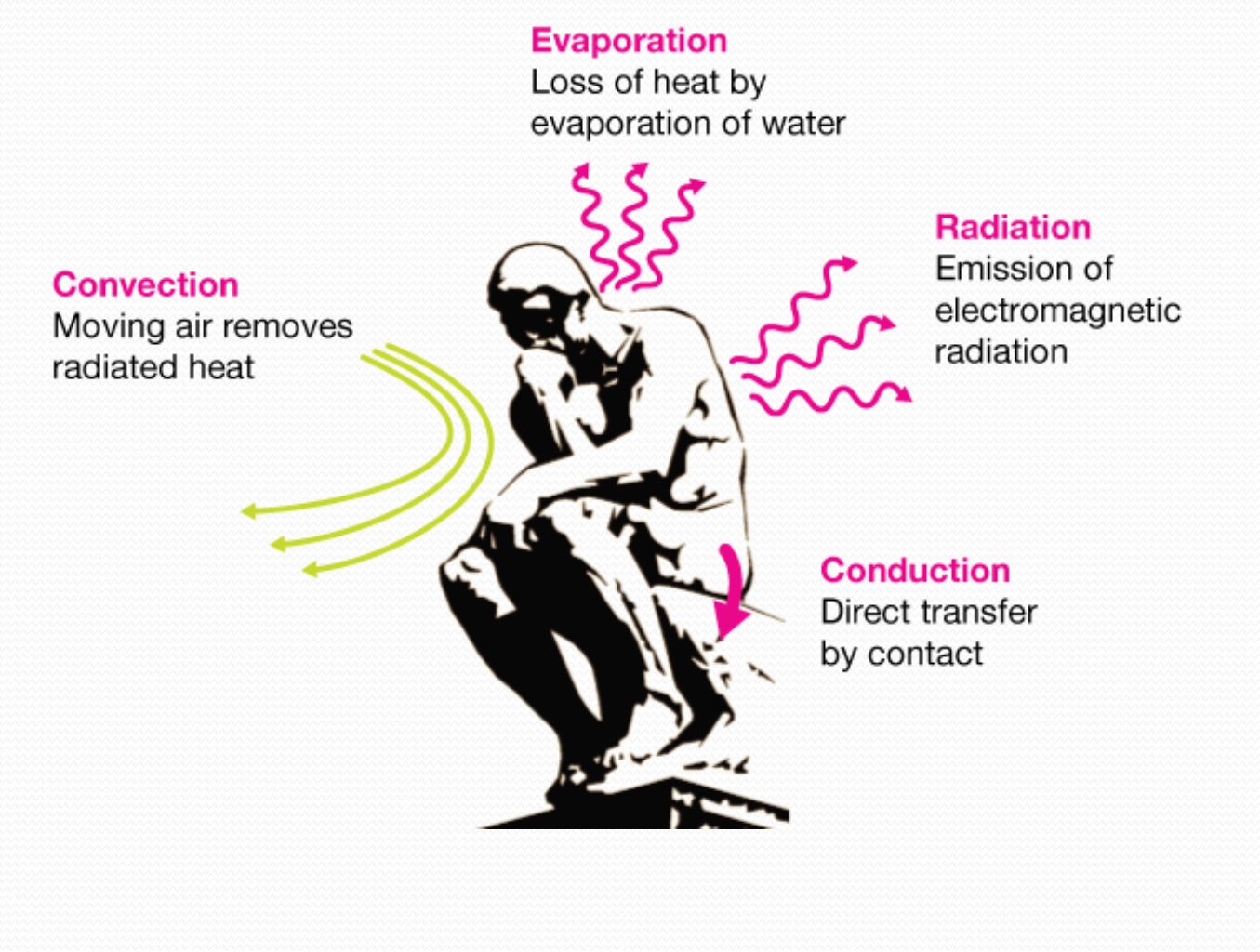
L’agitation thermique représente le phénomène microscopique principal qui fait qu’un matériau peut stocker de la chaleur: tout ce qui est chaud, c’est-à-dire au dessus de la température du zéro absolu (-273,15 °C), stocke la chaleur sous la forme d’agitation moléculaire.
Essentiellement le mouvement brownien.

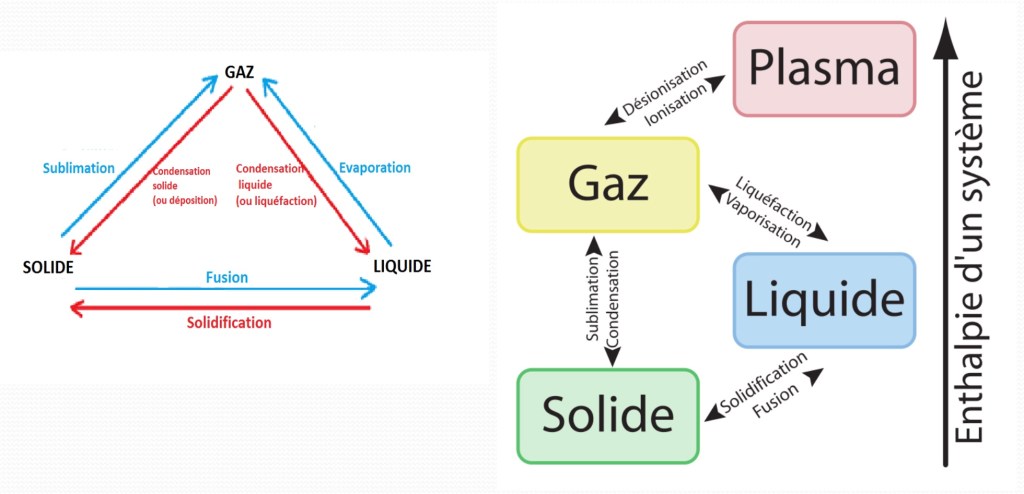
Les états de la matière
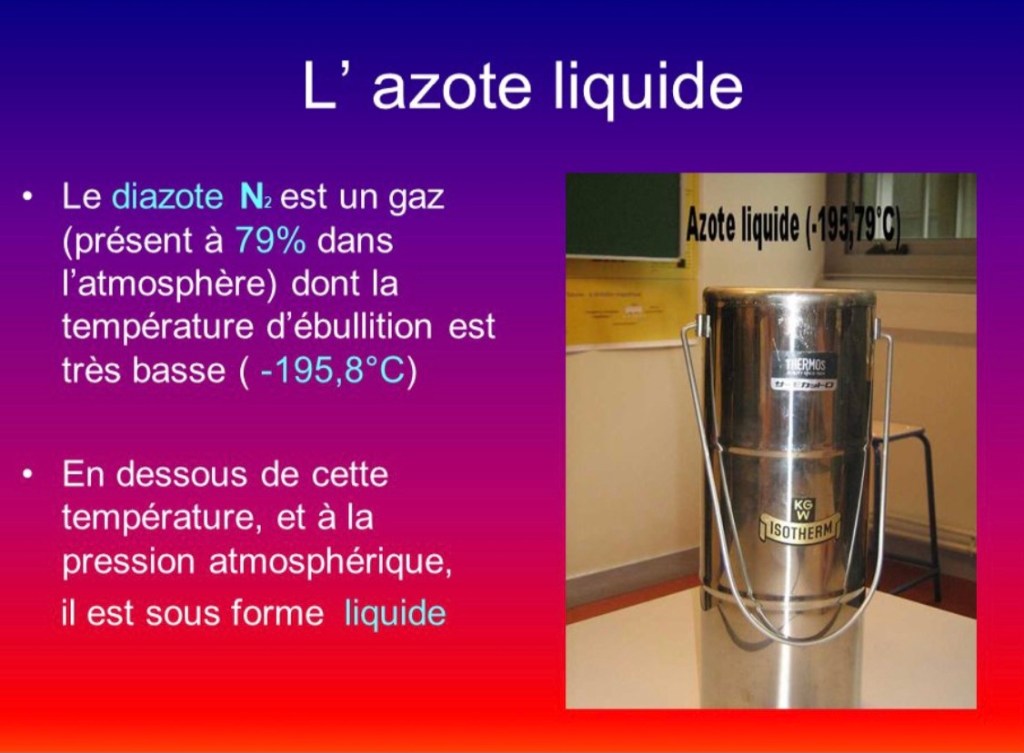
Azote liquide (195,79°C) = Cryo-Sauna
Compresseur mono-étagé
Compresseur tri-étagés en cascade
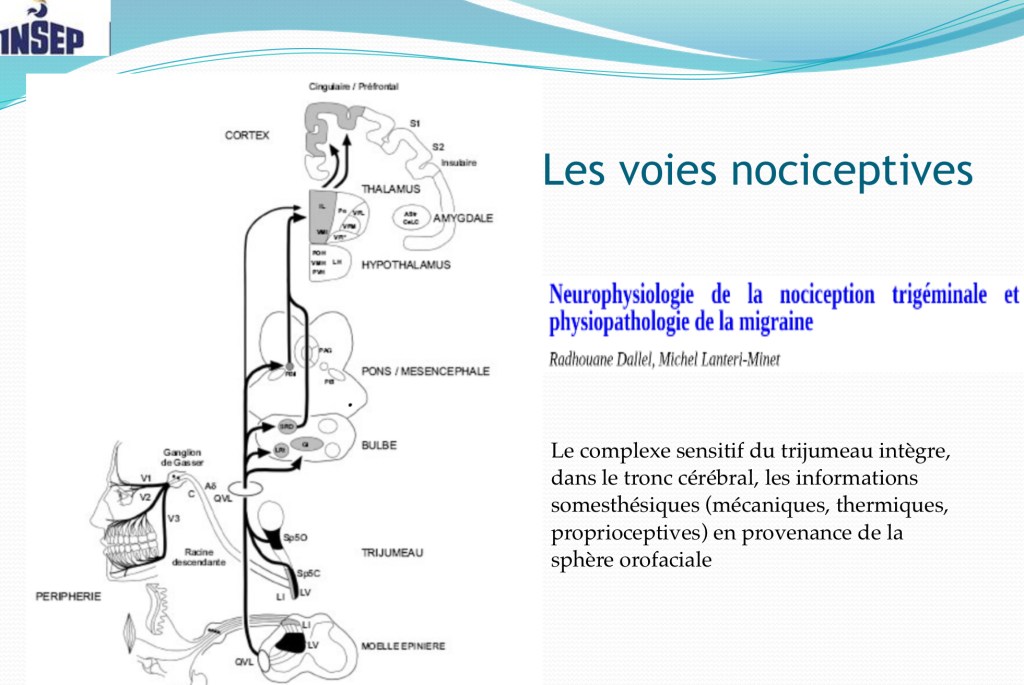
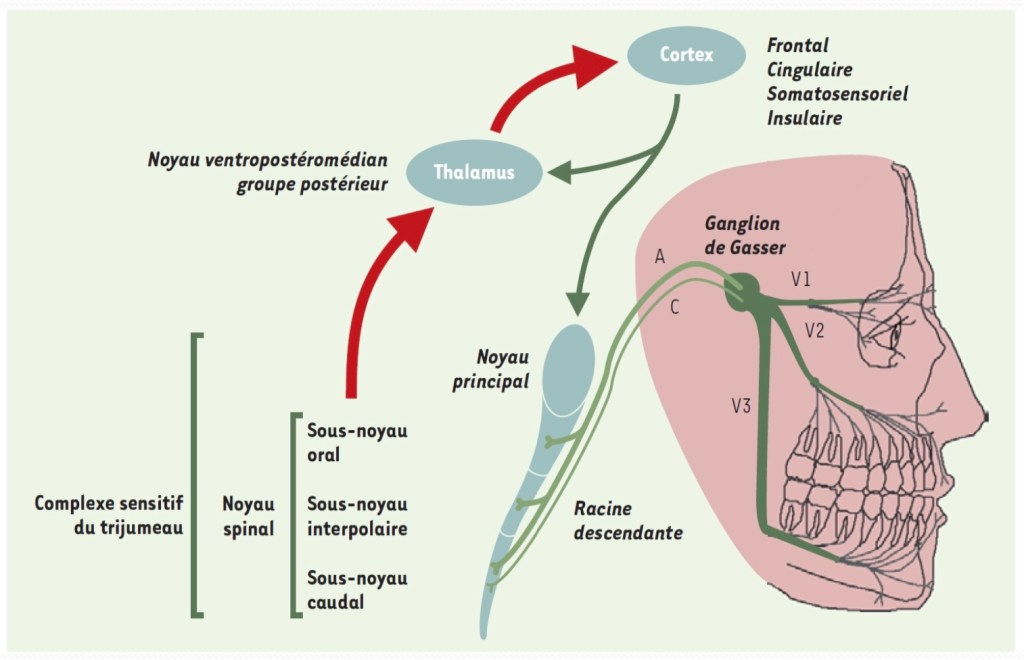
Complexe sensitif du trijumeau


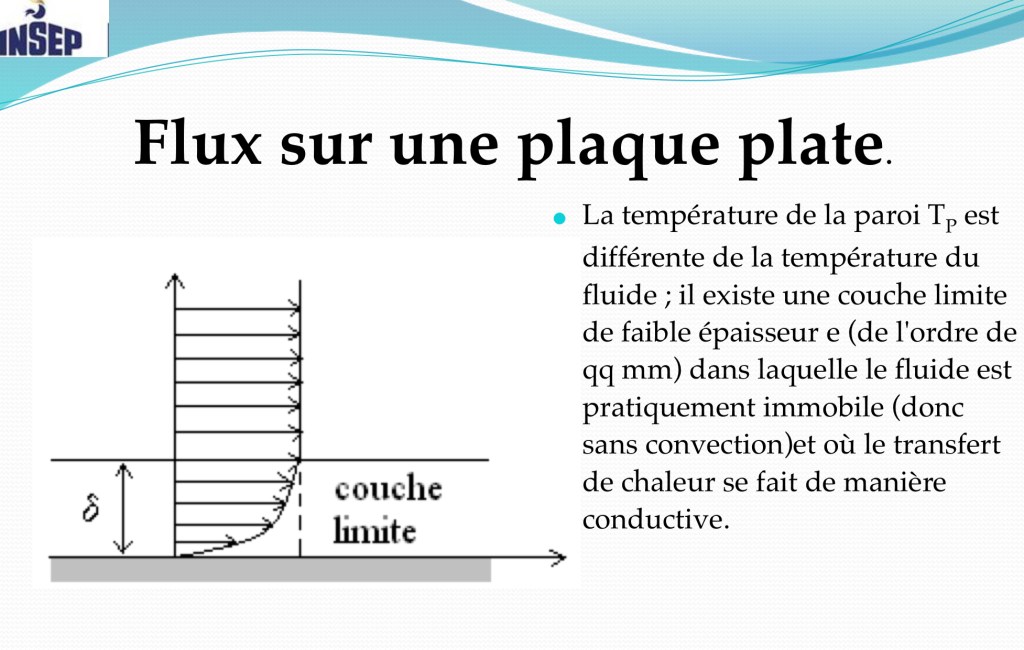
Gradient de température

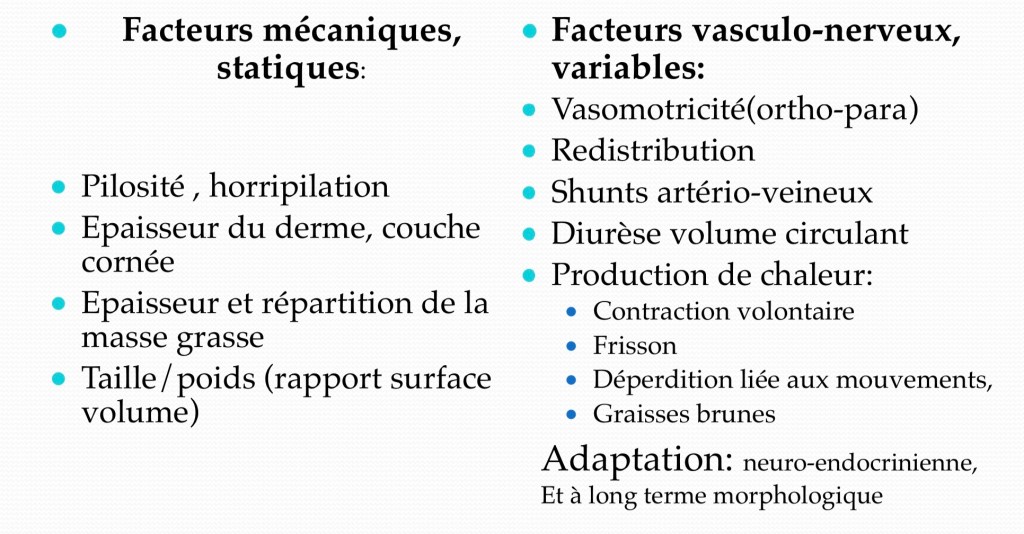
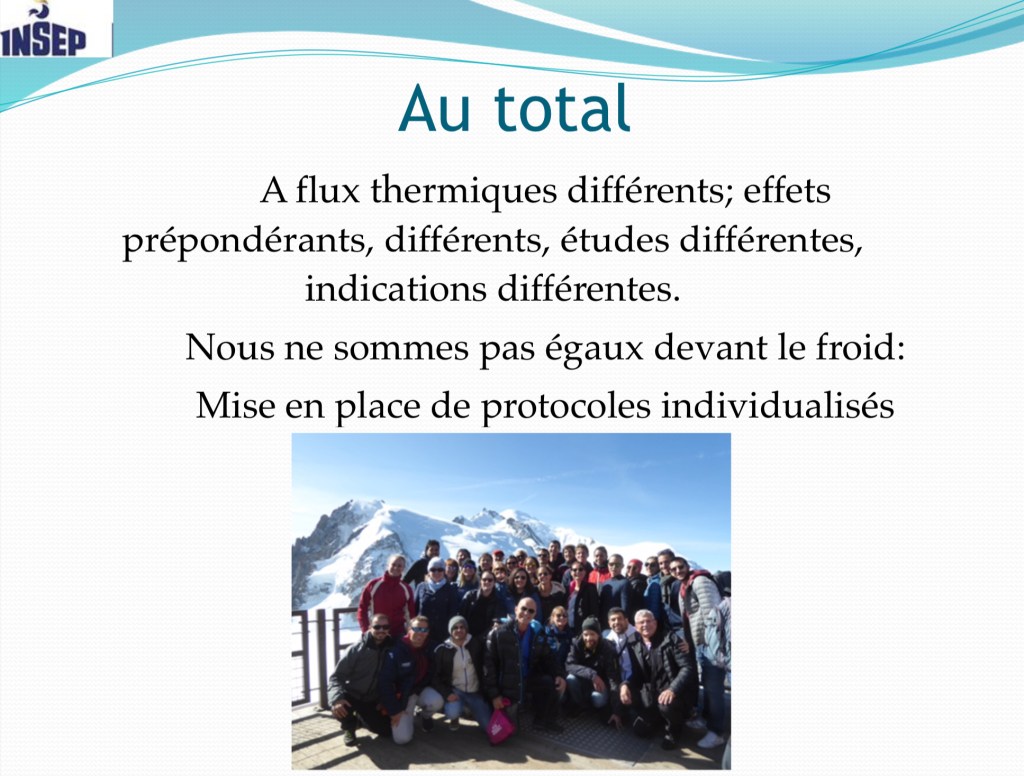
Nous ne sommes pas égaux devant le froid