Cryotherapy Models and Timing-Sequence Recovery of Exercise-Induced Muscle Damage in Middle- and Long-Distance Runners.

par SFCCE | 2020 | Publication Sport

Context: Among sports-recovery methods, cold-water immersion (CWI), contrast-water therapy (CWT), and whole-body cryotherapy (WBC) have been applied widely to enhance recovery after strenuous exercise. However, the different timing effects in exercise-induced muscle damage (EIMD) after these recovery protocols remain unknown.

Objective: To compare the effects of CWI, CWT, and WBC on the timing-sequence recovery of EIMD through different indicator responses.

Design: Crossover study.
Setting: Laboratory.
Patients or other participants: Twelve male middle- and long-distance runners from the Beijing Sport University (age = 21.00 ± 0.95 years).

Intervention(s): Participants were treated with different recovery methods (control [CON], CWI, CWT, WBC) immediately postexercise and at 24, 48, and 72 hours postexercise.

Main outcome measure(s): We measured perceived sensation using a visual analog scale (VAS), plasma creatine kinase (CK) activity, plasma C-reactive protein (CRP) activity, and vertical-jump height (VJH) pre-exercise, immediately postexercise, and at 1, 24, 48, 72, and 96 hours postexercise.

Results: For the VAS score and CK activity, WBC exhibited better timing-sequence recovery effects than CON and CWI (P < .05), but the CWT demonstrated better effects than CON (P < .05). The CRP activity was lower after WBC than after the other interventions (P < .05). The VJH was lower after WBC than after CON and CWI (P < .05).

Conclusions: The WBC positively affected VAS, CK, CRP, and VJH associated with EIMD. The CWT and CWI also showed positive effects. However, for the activity and timing-sequence effect, CWT had weaker effects than WBC.

Qu, C, Wu, Z, Xu, M, Qin, F, Dong, Y, Wang, Z, Zhao, J. (2020)

Full Article : https://pubmed.ncbi.nlm.nih.gov/32160058/
Recovery following a marathon: a comparison of cold water immersion, whole body cryotherapy and a placebo control.

par SFCCE | 2018 | Publication Sport

Purpose: Cryotherapy is an increasingly popular recovery strategy used in an attempt to attenuate the negative impact of strenuous physical activity on subsequent exercise. Therefore, this study aimed to assess the effects of whole body cryotherapy (WBC) and cold water immersion (CWI) on markers of recovery following a marathon.

Methods: Thirty-one endurance trained males completed a marathon. Participants were randomly assigned to a CWI, WBC or placebo group. Perceptions of muscle soreness, training stress and markers of muscle function were recorded before the marathon and at 24 and 48 h post exercise. Blood samples were taken at baseline, post intervention and 24 and 48 h post intervention to assess inflammation and muscle damage.

Results: WBC had a harmful effect on muscle function compared to CWI post marathon. WBC positively influenced perceptions of training stress compared to CWI. With the exception of C-reactive protein (CRP) at 24 and 48 h, neither cryotherapy intervention positively influenced blood borne markers of inflammation or structural damage compared to placebo.

Conclusion: The findings show WBC has a negative impact on muscle function, perceptions of soreness and a number of blood parameters compared to CWI, contradicting the suggestion that WBC may be a superior recovery strategy. Further, cryotherapy is no more effective than a placebo intervention at improving functional recovery or perceptions of training stress following a marathon. These findings lend further evidence to suggest that treatment belief and the placebo effect may be largely responsible for the beneficial effects of cryotherapy on recovery following a marathon.

Wilson LJCockburn EPaice, K, Sinclair, S, Faki, T, HillsFAGondek, MB, Wood,A, Dimitriou, L. (2018)

Full Article :  https://pubmed.ncbi.nlm.nih.gov/29127510/ 

Whole-Body Cryotherapy: Potential to Enhance Athlete Preparation for Competition?

par SFCCE | 2019 | Publication Sport

The final hours of preparation before competition are important for performance. Recovery, preparation and warm up protocols are evolving continuously and include passive and active modalities often developed by “trial and error” approaches. Passive modalities, such as whole-body cryotherapy (WBC), have the potential to enhance both recovery and preparation. Whole-body cryotherapy has generally been used within a recovery setting after competition or strenuous training for athletes, and in clinical settings for the general population. However, the acute hormonal, anti-inflammatory, perceptual and psychological responses yielded by a single, or repeated, bouts of WBC indicate that this practice could enhance an athlete’s competition readiness when used alongside traditional elements of active warm-ups in the hours before competition in addition to aiding recovery in the hours after. Here we summarize and evaluate the acute effects of WBC exposures on physiological, performance and perceptual responses, and examine the likelihood these responses could theoretically translate into enhanced athletic performance. The potential to enhance an athlete’s performance using acute passive WBC exposure is a novel intervention that requires further investigation.

Partridge, EM, Cooke, J, McKune, A, Pyne, DB. (2019)

Full Article :  https://pubmed.ncbi.nlm.nih.gov/31447697/ 

Whole-Body Cryotherapy in Sports Medicine.

par SFCCE | 2019 | Publication Sport

Cryotherapy has gained popularity among athletes across many sports. The main goals of cryotherapy, and specifically whole-body cryotherapy, are for injury prevention and counteracting negative inflammatory symptoms following athletic performance in hopes of improving recovery.

Patel, K, Bakshi, N, Freehill, MT, Awan, TM. (2019)

Full Article :  https://pubmed.ncbi.nlm.nih.gov/30969239/ 

Circulating soluble intercellular adhesion molecule-1 (sICAM-1) after exercise-induced muscular damage: Does the use of whole-body cryostimulation influence its concentration in blood?

par SFCCE | 2019 | Publication Sport

As soluble intercellular adhesion molecule-1 (sICAM-1) was recently hypothesized to be a key player in the mechanisms involved in exercise-induced muscular damage (EIMD), we investigated its circulating concentration changes in athletes before and after EIMD with and without the use of whole-body cryostimulation (WBC; 3 min at -110 °C) at the exercise end and repeated once a day during 4 days. We previously characterized plasma specimens from 11 endurance athletes who performed twice (randomized crossover design) strenuous running leading to EIMD, followed by passive recovery or WBC. Muscle soreness and inflammatory response were observed in both cases but the use of WBC induced a significant reduction in these responses (PlosOne 2011; 6:e22748). We now found that sICAM-1 concentration slightly increased in both circumstances and remained elevated for 24 h (p < 0.01). However, no significant WBC effect was observed concerning sICAM-1 changes indicating that this compound is not a major player both in EIMD and WBC physiological impacts.

Bieuzen, F, Hausswirth, C, DuguéB. (2019)

Full Article :  https://pubmed.ncbi.nlm.nih.gov/30707962/ 

3-min whole body cryotherapy/cryostimulation after training in the evening improves sleep quality in physically active men.

par SFCCE | 2019 | Publication Sport

Exercise training during evening may disturb sleep patterns and hinder recovery process. The present study aimed to examine the effect of whole body cryotherapy (WBC) exposure after training in the evening on sleep quality and night heart rate variability (HRV). A total of 22 physically active men were randomized to undergo either WBC (3-min at -40°C, wind speed of 2.3 m s-1) or passive recovery (control) following an evening training consisting of 25 min of continuous running at 65% of the maximal aerobic speed (MAS) followed by intermittent running at 85% of the MAS. Each night following the training, the number of movements and HRV during sleeping time were recorded. The next morning, subjective sleep quality and perceived pain were assessed using Spiegel questionnaire and a visual analogue scale, respectively. The number of movements during the night following WBC was significantly reduced (p < 0.05) compared with the control condition. Subjective sleep quality following WBC was significantly better than the control group (p < 0.05). During the estimated slow-wave sleep (SWS), the high frequency power (HF) was higher in the WBC group than the control group (p < 0.05), and the low frequency power (LF) and the LF/HF ratio were lower than the control group (p < 0.05). Pain was significantly reduced following WBC compared to the control (p < 0.01). In conclusion, the use of 3-min WBC after training in the evening improves subjective and objective sleep quality in physically active subjects, which may be due to greater pain relief and improved parasympathetic nervous activity during the SWS period.

Douzi, D, Dupuy, O, Tanneau, M, Boucard, G, Bouzigon, R, Dugué, B. (2019)

Full Article :  https://pubmed.ncbi.nlm.nih.gov/30551730/ 

Whole body cryotherapy, cold water immersion, or a placebo following resistance exercise: a case of mind over matter?

par SFCCE | 2019 | Publication Sport

Purpose: The use of cryotherapy as a recovery intervention is prevalent amongst athletes. Performance of high volume, heavy load resistance exercise is known to result in disturbances of muscle function, perceptual responses and blood borne parameters. Therefore, this study investigated the influence of cold water immersion (CWI), whole body cryotherapy (WBC) or a placebo (PL) intervention on markers of recovery following an acute resistance training session.

Methods: 24 resistance trained males were matched into a CWI (10 min at 10 °C), WBC (3- and 4 min at – 85 °C) or PL group before completing a lower body resistance training session. Perceptions of soreness and training stress, markers of muscle function, inflammation and efflux of intracellular proteins were assessed before, and up to 72 h post exercise.

Results: The training session resulted in increased soreness, disturbances of muscle function, and increased inflammation and efflux of intracellular proteins. Although WBC attenuated soreness at 24 h, and positively influenced peak force at 48 h compared to CWI and PL, many of the remaining outcomes were trivial, unclear or favoured the PL condition. With the exception of CRP at 24 h, neither cryotherapy intervention attenuated the inflammatory response compared to PL.

Conclusion: There was some evidence to suggest that WBC is more effective than CWI at attenuating select perceptual and functional responses following resistance training. However, neither cryotherapy intervention was more effective than the placebo treatment at accelerating recovery. The implications of these findings should be carefully considered by individuals employing cryotherapy as a recovery strategy following heavy load resistance training.

Wilson, LJ, Dimitriou, L, Hills, FA, Gondek, MB, Cockburn, E. (2019)

Full Article :  https://pubmed.ncbi.nlm.nih.gov/30310979/ 

Whole-body cryotherapy (-110 °C) following high-intensity intermittent exercise does not alter hormonal, inflammatory or muscle damage biomarkers in trained males.

par SFCCE | 2019 | Publication Sport

Purpose: This study examined the acute effects of a single session of Whole-body Cryotherapy (WBC) following severe intermittent running exercise on biomarkers of inflammation, muscle damage and stress.

Methods: Endurance-trained males (n = 11) were tested twice using a within-participant, balanced cross-over design that consisted of 5 × 5 min of high-intensity running (HIR) followed by either 3 min of WBC at -110 °C or a passive control condition (CON). Before the HIR and after 60 min of recovery a ramp-test was completed. At seven time points up to 24 hrs post exercise venous blood samples were analyzed for serum levels of interleukin 6 (IL-6), interleukin 10 (IL-10), c-reactive protein (CRP), soluble intercellular adhesion molecule-1 (sICAM-1), myoglobin, cortisol, and testosterone.

Results: HIR induced significant increases in all biomarkers except sICAM-1 in both recovery conditions, respectively. Compared to the CON condition WBC did not attenuate exercise- induced changes in IL-6, IL-10, sICAM-1, myoglobin, cortisol, testosterone or their ratio. Increased levels of cortisol following exercise were negatively correlated with subsequent running performance in both conditions (WBC: r = -0.61, p = 0.04; CON: r = -0.64, p = 0.04).

Conclusion: The results of this study suggest that the postulated physiological mechanisms by which WBC is proposed to improve recovery, i.e. reductions in inflammation and muscle damage, may not be accurate.

Krueger, M, Costello, JT, Achtzehn, ST, Dittmar, KH, Mester. J (2019).

Full Article :  https://pubmed.ncbi.nlm.nih.gov/30031682/ 

The Effect of Repeated Whole-Body Cryotherapy on Sirt1 and Sirt3 Concentrations and Oxidative Status in Older and Young Men Performing Different Levels of Physical Activity.

par SFCCE | 2020 | Publication Sport

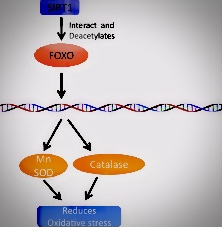
Background: The activity of antioxidant enzymes and sirtuins (Sirt) decreases along with age, which is counteracted by aerobic training. Sirtuins increase antioxidant defence. Whole-body cryotherapy (WBC) increases total antioxidant capacity (TAC) in young men. The aim of our study was to assess the impact of 24 WBC treatments on the blood concentration of selected sirtuins and the level of antioxidant defence as well as oxidative stress index of training and non-training men depending on age. Methods: The study involved 40 males. In each group, there were 10 non-training older and young men (60 NTR and 20 NTR), and 10 older and young long-distance runners (60 TR, 20 TR). During an 8-week period, participants underwent 24 WBC treatments (3 min -130 °C), which were performed three times a week (Monday, Wednesday, Friday). The concentrations of Sirt1, Sirt3, TAC, total oxidative status and the activity of superoxide dismutase (SOD), catalase and glutathione peroxidase (GPx) in the blood were determined before 1 WBC and after 1 WBC, 12 WBC and 24 WBC. Results: After 1 WBC, the activity of GPx and the concentration of Sirt1 and TAC in 60 TR and TAC in 60 NTR increased. After 12 WBC, the level of Sirt1 in 20 NTR and SOD in 20 TR increased. After 24 WBC, the level of Sirt1 increased in 60 TR and in 20 NTR, Sirt3 in 60 TR and SOD in 20 TR. Conclusions: Cryogenic temperatures increase blood levels of Sirt1 and Sirt3 and systemic antioxidant defence in men, but the effect is dependent on age, level of performed physical activity and the number of applied treatments.

Wojciak, G, Szymura, J, Szygula, Z, Gradek, J, Wiecek, M. (2020)

Full Article :  https://pubmed.ncbi.nlm.nih.gov/33396247/ 

The Impact of Recovery Practices Adopted by Professional Tennis Players on Fatigue Markers According to Training Type Clusters.

par SFCCE | 2020 | Publication Sport

Introduction: Modern tennis players face congested schedules that force the adoption of various recovery strategies. Thus, recovery must be fine-tuned with an accurate quantification of its impacts, especially with regards to training-induced fatigue. The present study aimed to examine the training type clusters and recovery practices adopted by elite tennis players under ecological training conditions. The respective impacts of training type clusters and recovery techniques on subjective variables, which reflect the players’ recovery perceptions, were subsequently determined. Methods: During 15 consecutive months, a total of 35 elite tennis players filled out questionnaires to report their daily training load, training session content, adopted recovery modalities after training, and perceived recovery. Results: The hierarchical analysis identified three clusters: “combined tennis and S&C training,” “predominant tennis training” and “predominant S&C training.” Muscle soreness and perceived fatigue were not significantly different among these three clusters (p = 0.07-0.65). Across the 146 recorded training and recovery sessions, players primarily employed a combination of 2 or 3 modalities, with cooling strategies being the most widely used technique (87.6%). Mixed linear models revealed that independent of training clusters, cooling strategies significantly reduced muscle soreness (Δmuscle soreness: β = -1.00, p = 0.02). Among the cooling techniques used, whole-body cryotherapy induced a greater perceived recovery than cold-water immersion (p = 0.02). Conclusion: These results showed that perceived recovery was not sensitive to training clusters or the associated acute training load. However, cooling strategies were relevant for the alleviation of tennis training-induced soreness. This study represents an initial step toward a periodized approach of recovery interventions, based on the interactions between training load, training contents, and perceived recovery.

Poignard, M, Guilhem, G, de Larochelambert, Q, Montalvan, B, Bieuzen, F. (2020)

Full Article :  https://pubmed.ncbi.nlm.nih.gov/33345098/