Adaptive changes in muscle activity after cryotherapy treatment: Potential mechanism for improvement the functional state in patients with multiple sclerosis

par SFCCE | 2021 | Publication Santé

Background: The available literature lacks data about the influence of whole body cryotherapy (WBC) on muscle activity in patients with sclerosis multiplex (MS).

Objective: Assessment of the influence of the 20 WBC series on the surface electromyography (sEMG) signal and the relationship between it and the functional state in patients with MS.

Methods: The study group was 114 of MS patients (aged 45.24±11.88yr.,) which 74 of them received 20 of WBC. An assessment was made of: the hand grip (HGS), Timed 25-Foot Walk, Fatigue Severity Scale, sEMG signal from the dominant limb.

Results: After a series of 20 WBC: in the rest electromyograms, an increase of extensor carpi radialis (ECR) and a decrease of flexor carpi radialis (FCR) amplitude were demonstrated (non-normalized signal ECR p = 0.0001); significant differences in sEMG rest signals between ECR and FCR have decreased; for voluntary contraction in both assessed antagonistic muscle amplitude was significantly decreased (p = 0.0005; p = 0.0316, p = 0.0185); an increase of HGS (p < 0.001); gait improvement (p = 0.001); decrease fatigue (p = 0.024). No significant changes were observed in the control group.

Conclusions: Series of 20 WBC improves the functional state and reduces fatigue in patients with MS, which may be due to adaptive changes in bioelectrical muscle activity.

Radecka, A, Knyszyńska, A, Łuczak, J, Lubkowska, A. (2021)

Full Article :  https://pubmed.ncbi.nlm.nih.gov/33386821/ 

Serial whole-body cryotherapy in fibromyalgia is effective and alters cytokine profiles

par SFCCE | 2021 | Publication Santé

Introduction: Whole-body cryotherapy (WBC) has shown to be beneficial in the treatment of fibromyalgia (FM). There is cumulative evidence that cytokines play a crucial role in FM. It’s unknown whether clinical effects of WBC can be demonstrated at the molecular level and how long the effects last.

Methods: We compared effects of serial WBC (6 sessions (- 130 °C in 6 weeks) in FM patients and healthy controls (HC). Primary outcome was the change in pain level (visual analogue scale 0-100 mm) after 6 sessions. Secondary outcomes were a change in disease activity (revised Fibromyalgia Impact Questionnaire) and pain after 3 sessions and 3 months after discontinued therapy and in cytokine levels (interleukin (IL-)1, IL-6, tumor necrosis factor α (TNF-α) and IL-10). The patients’ opinions on the satisfaction, effectiveness and significance of WBC were evaluated.

Results: Twenty-three FM patients and 30 HC were enrolled. WBC resulted in a significant reduction in pain and disease activity after 3 and 6 sessions. No clinical benefit could be measured 3 months after discontinued treatment. Overall, probands were satisfied with WBC and considered WBC to be important and effective. FM patients had significantly different levels of IL-1, IL-6, TNF-α and IL-10 at each reading point compared to HC. Levels of IL-1, IL-6 and IL-10 were significantly altered over time in FM patients. Compared to HC FM patients showed a significantly different response of IL1, – 6 and – 10 to WBC.

Conclusion: Serial WBC is a fast acting and effective treatment for FM. Proven effects of WBC may be explained by changes in cytokines.

Klemm, P, Becker, J, Aykara, I, Asendorf, T, Dischereit, G, Neumann, E, Müller-Ladner, U, Lange, U. (2021)

Full Article :  https://pubmed.ncbi.nlm.nih.gov/33436106/ 

Le froid n’existe pas !

Auteur : Dr Ivan Zagori

Agitation thermique – Mouvements Browniens
L’agitation thermique représente le phénomène microscopique principal qui fait qu’un matériau peut stocker de la chaleur: tout ce qui est chaud, c’est-à-dire au dessus de la température du zéro absolu (-273,15 °C), stocke la chaleur sous la forme d’agitation moléculaire.
Essentiellement le mouvement brownien.

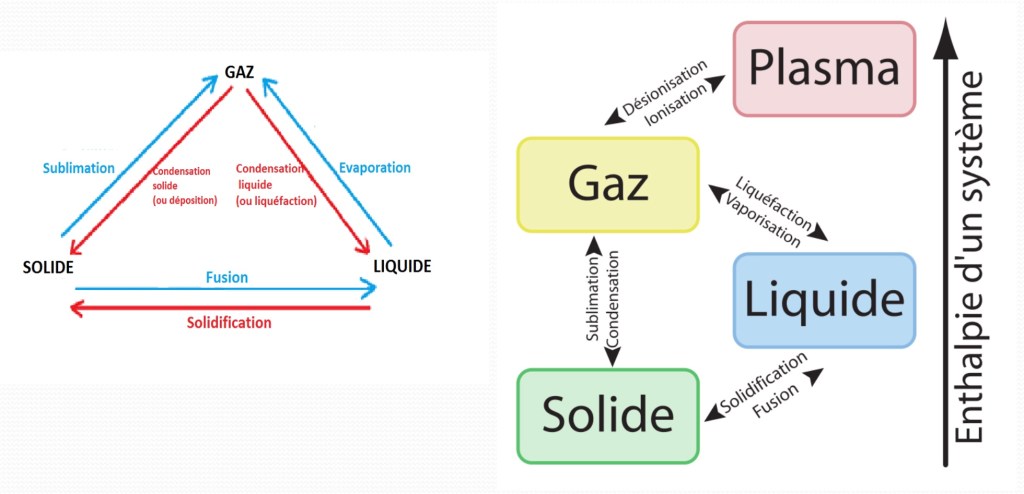
Les états de la matière
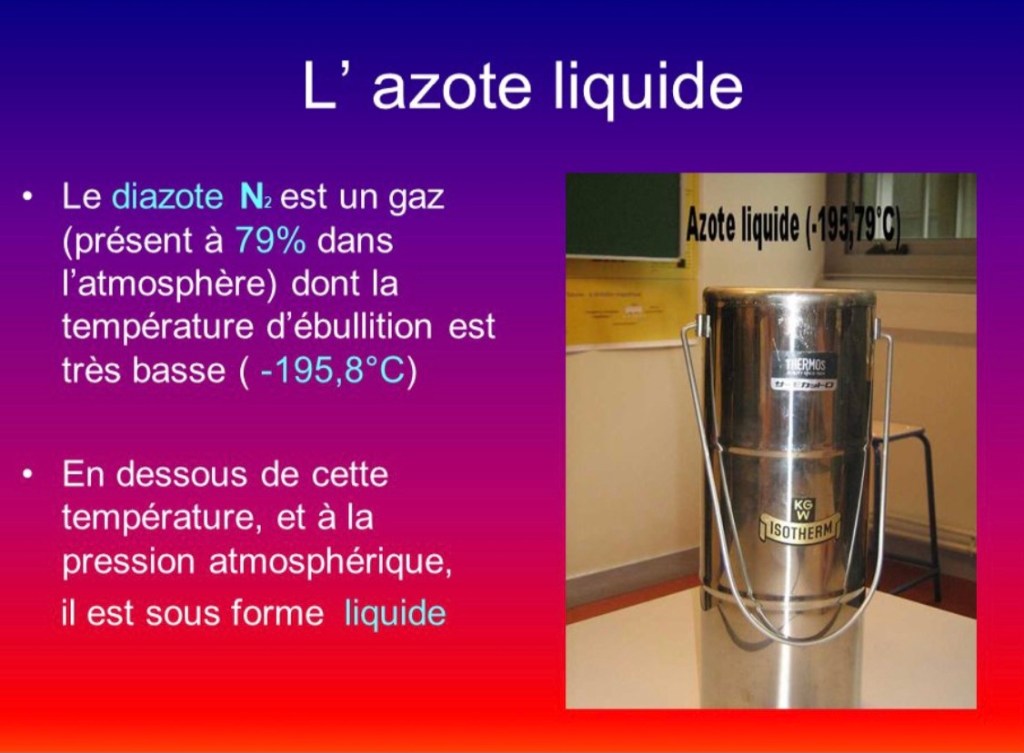
Azote liquide (195,79°C) = Cryo-Sauna
Compresseur mono-étagé
Compresseur tri-étagés en cascade
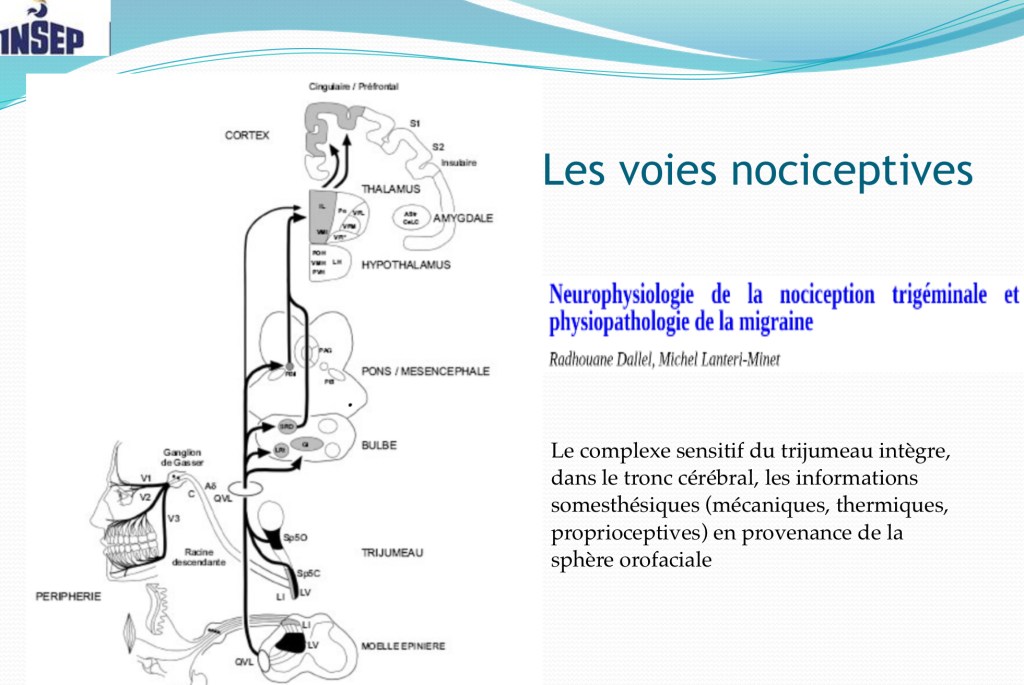
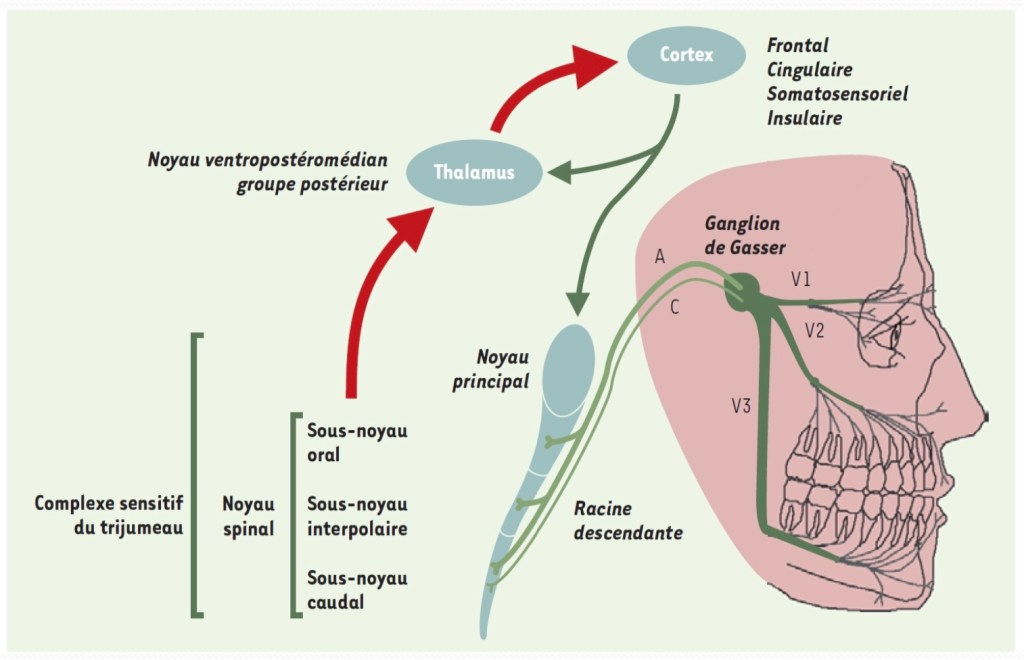
Complexe sensitif du trijumeau


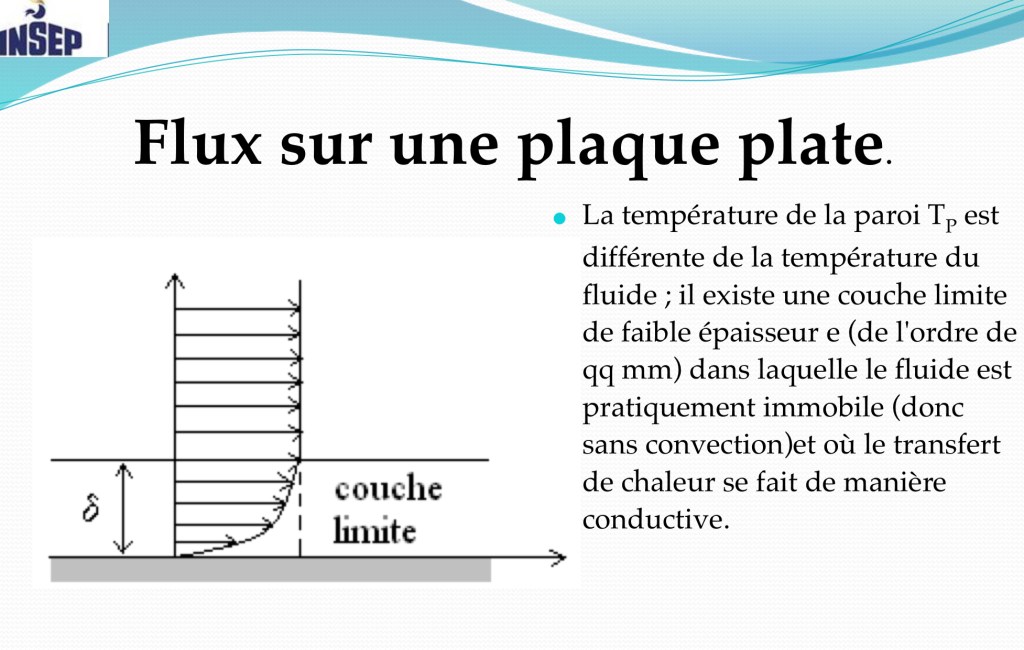
Gradient de température

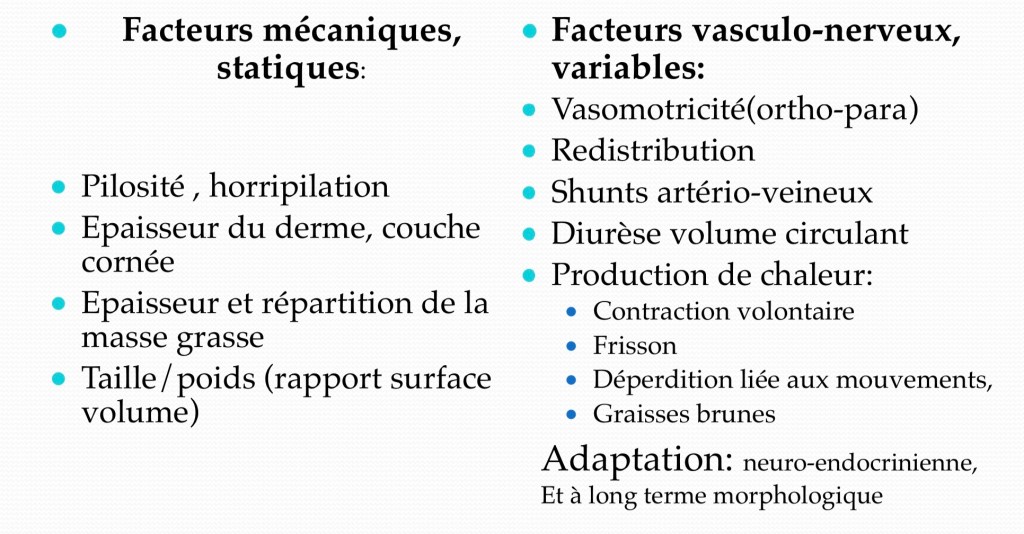
Nous ne sommes pas égaux devant le froid