Blood pro-oxidant/antioxidant balance in young men with class II obesity after 20 sessions of whole body cryostimulation: a preliminary study

par SFCCE | 2021 | Publication Santé

Objectives: In obesity, there is a shift in the pro-oxidative-antioxidant balance towards the oxidationreactions. However, it has been shown that in people with normal body composition, after a series of whole-body cryotherapy (WBC), the balance shifts in the opposite direction. Design: The aim of the study was to assess the impact of 20 WBC treatments on blood pro-oxidative-antioxidant balance. Interventions: Study included 14 obese (BMI > 35) and 10 non-obese volunteers. Methods: The total antioxidative (TAS/TAC) and pro-oxidative status (TOS/TOC) in serum and activity of antioxidant enzymes in erythrocytes were determined before the first and 2 hours after the last cryostimulation. Results: In the obese group, a significantly higher level of TOS/TOC, and its significant decrease after the WBC series, was observed. Cryotherapy had no influence on TAS/TAC level which was similar in both groups. Changes in activity of antioxidant enzymes were multidirectional. An increase in CAT activity in the obese group was observed. OSI, both before and after a series of treatments, was significantly higher in obese subjects. Conclusions: A beneficial effect on the level of TOS/TOC and CAT activity was indicated, but the proposed number of treatments for patients with class II obesity turned out to be insufficient. Trial registration: Australian New Zealand Clinical Trials Registry identifier: ACTRN12619000524190.

Pilch, W, Wyrostek, J, Piotrowska, A, Czerwińska-Ledwig, O, Zuziak, R, Sadowska-Krępa, E, Maciejczyk, M, Żychowska, M. (2021) 

Full Article : https://pubmed.ncbi.nlm.nih.gov/33560197/ 
The improvement of cognitive deficits after whole-body cryotherapy

par SFCCE | 2021 | Publication Santé

Background: Whole-body cryotherapy (WBC) – a repetitive, short-term exposure to extremely low temperatures – may become an effective early intervention for mild cognitive impairment (MCI). It is a heterogeneous group of symptoms associated with cognitive dysfunction which is estimated to transform into dementia in 50% cases.

Study design: The prospective randomised double-blind sham-controlled study aimed to determine the efficacy of WBC on cognitive functioning and biological mechanisms. The study was registered with Australian New Zealand Clinical Trials Registry (ACTRN12619001627145).

Methods: Participants with MCI (n = 62; (20<MoCA>26) were randomly allocated to cryogenic temperatures (-110 °C till -160 °C) (EG, n = 33) or placebo-controlled group (CG, n = 29). Cognitive functions were measured at baseline (T1), after the 10th WBC session (T2) and after 2 week-break (T3) with DemTect, SLUMS and Test Your Memory (TYM). Secondary outcome measures included quality of life (WHOQoL-BREF), self-reported well-being (VAS) and depressive symptoms (GDS). Whole blood samples (10 ml) were collected at T1 and T2 to evaluate levels of cytokines, neurotrophins, NO and biochemical parameters CRP total cholesterol, prolactin).

Results: There were significant differences between groups measured at T2 in immediate recall (DemTect) and in orientation (TYM) in favour of WBC group. Improvement in mood was detected in self-reported depressive symptoms level (WHOQoL-26; T2 p = 0.04; VAS mood T2 p = 0.02; T3 p = 0.07). The significant reduction of BDNF level was observed (p < 0.05).

Conclusions: WBC may increase the performance of cognitive functions. It seems promising to combine WBC with existing behavioural and cognitive trainings in the future studies investigating early interventions methods in MCI.

Rymaszewska, J, Lion, KM, Stańczykiewicz, B, Rymaszewska, JE, Trypka, E, Pawlik-Sobecka, L, Kokot, I, Płaczkowska, S, Zabłocka, A, Szcześniak, D. (2021)

Full Article : https://pubmed.ncbi.nlm.nih.gov/33454354/ 

Adaptive changes in muscle activity after cryotherapy treatment: Potential mechanism for improvement the functional state in patients with multiple sclerosis

par SFCCE | 2021 | Publication Santé

Background: The available literature lacks data about the influence of whole body cryotherapy (WBC) on muscle activity in patients with sclerosis multiplex (MS).

Objective: Assessment of the influence of the 20 WBC series on the surface electromyography (sEMG) signal and the relationship between it and the functional state in patients with MS.

Methods: The study group was 114 of MS patients (aged 45.24±11.88yr.,) which 74 of them received 20 of WBC. An assessment was made of: the hand grip (HGS), Timed 25-Foot Walk, Fatigue Severity Scale, sEMG signal from the dominant limb.

Results: After a series of 20 WBC: in the rest electromyograms, an increase of extensor carpi radialis (ECR) and a decrease of flexor carpi radialis (FCR) amplitude were demonstrated (non-normalized signal ECR p = 0.0001); significant differences in sEMG rest signals between ECR and FCR have decreased; for voluntary contraction in both assessed antagonistic muscle amplitude was significantly decreased (p = 0.0005; p = 0.0316, p = 0.0185); an increase of HGS (p < 0.001); gait improvement (p = 0.001); decrease fatigue (p = 0.024). No significant changes were observed in the control group.

Conclusions: Series of 20 WBC improves the functional state and reduces fatigue in patients with MS, which may be due to adaptive changes in bioelectrical muscle activity.

Radecka, A, Knyszyńska, A, Łuczak, J, Lubkowska, A. (2021)

Full Article :  https://pubmed.ncbi.nlm.nih.gov/33386821/ 

Serial whole-body cryotherapy in fibromyalgia is effective and alters cytokine profiles

par SFCCE | 2021 | Publication Santé

Introduction: Whole-body cryotherapy (WBC) has shown to be beneficial in the treatment of fibromyalgia (FM). There is cumulative evidence that cytokines play a crucial role in FM. It’s unknown whether clinical effects of WBC can be demonstrated at the molecular level and how long the effects last.

Methods: We compared effects of serial WBC (6 sessions (- 130 °C in 6 weeks) in FM patients and healthy controls (HC). Primary outcome was the change in pain level (visual analogue scale 0-100 mm) after 6 sessions. Secondary outcomes were a change in disease activity (revised Fibromyalgia Impact Questionnaire) and pain after 3 sessions and 3 months after discontinued therapy and in cytokine levels (interleukin (IL-)1, IL-6, tumor necrosis factor α (TNF-α) and IL-10). The patients’ opinions on the satisfaction, effectiveness and significance of WBC were evaluated.

Results: Twenty-three FM patients and 30 HC were enrolled. WBC resulted in a significant reduction in pain and disease activity after 3 and 6 sessions. No clinical benefit could be measured 3 months after discontinued treatment. Overall, probands were satisfied with WBC and considered WBC to be important and effective. FM patients had significantly different levels of IL-1, IL-6, TNF-α and IL-10 at each reading point compared to HC. Levels of IL-1, IL-6 and IL-10 were significantly altered over time in FM patients. Compared to HC FM patients showed a significantly different response of IL1, – 6 and – 10 to WBC.

Conclusion: Serial WBC is a fast acting and effective treatment for FM. Proven effects of WBC may be explained by changes in cytokines.

Klemm, P, Becker, J, Aykara, I, Asendorf, T, Dischereit, G, Neumann, E, Müller-Ladner, U, Lange, U. (2021)

Full Article :  https://pubmed.ncbi.nlm.nih.gov/33436106/ 

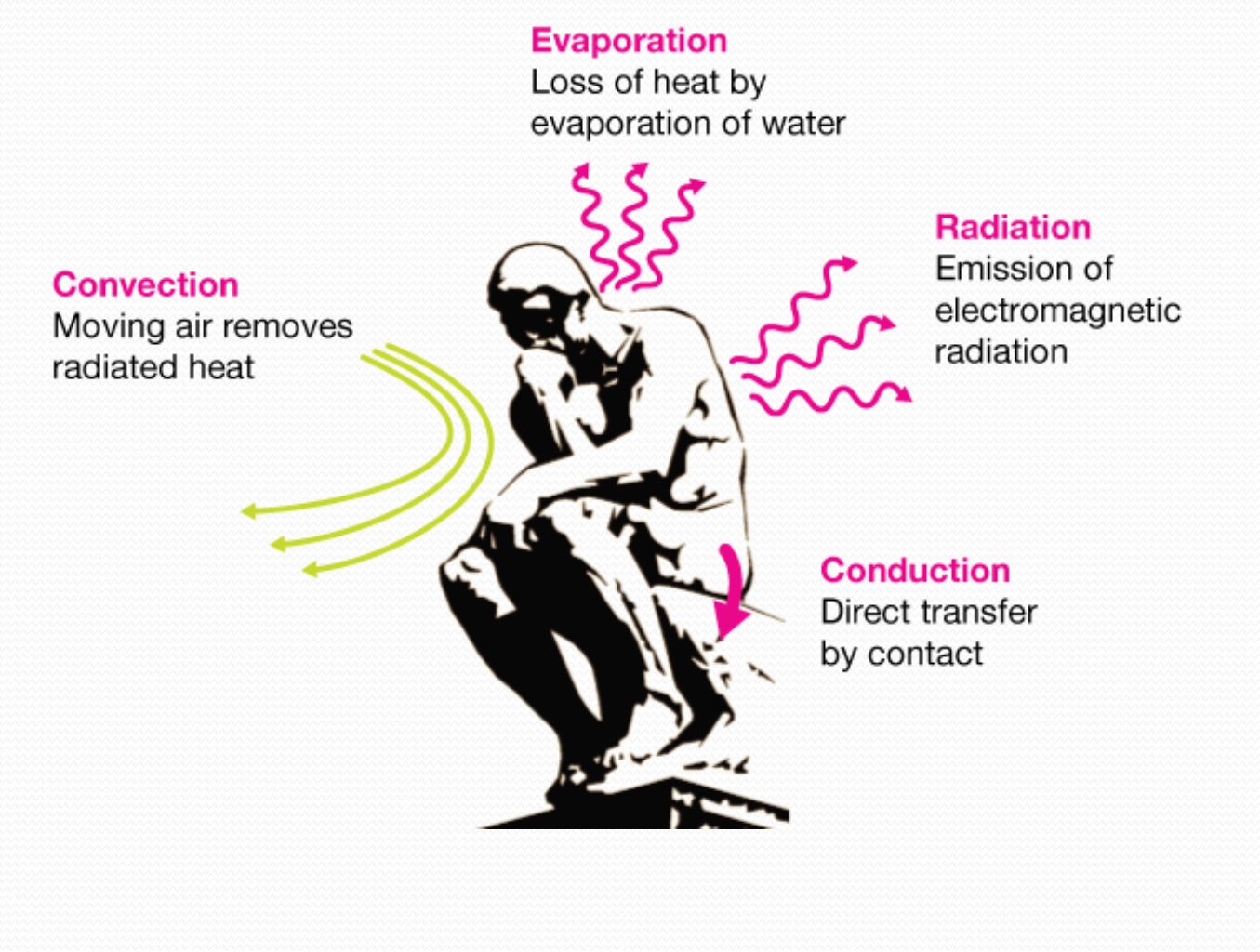
Le froid n’existe pas !

Auteur : Dr Ivan Zagori

Agitation thermique – Mouvements Browniens
L’agitation thermique représente le phénomène microscopique principal qui fait qu’un matériau peut stocker de la chaleur: tout ce qui est chaud, c’est-à-dire au dessus de la température du zéro absolu (-273,15 °C), stocke la chaleur sous la forme d’agitation moléculaire.
Essentiellement le mouvement brownien.

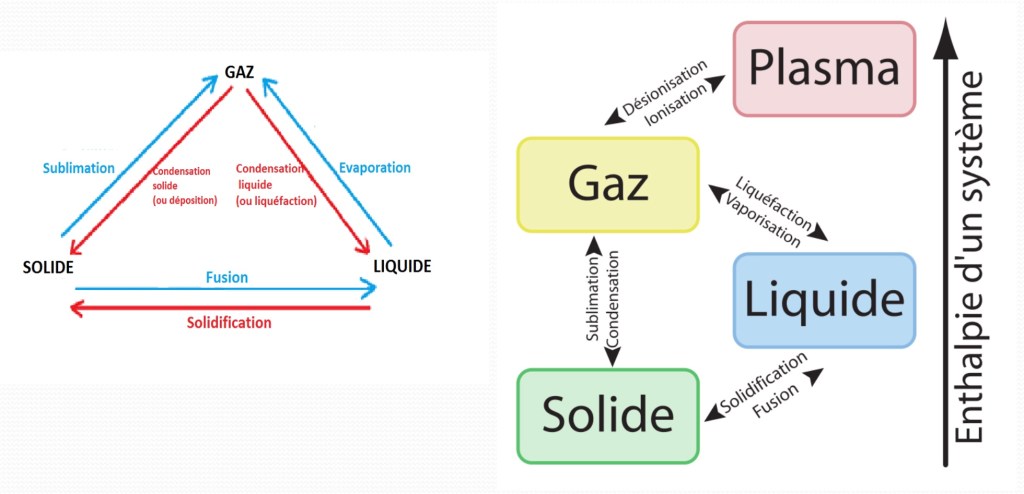
Les états de la matière
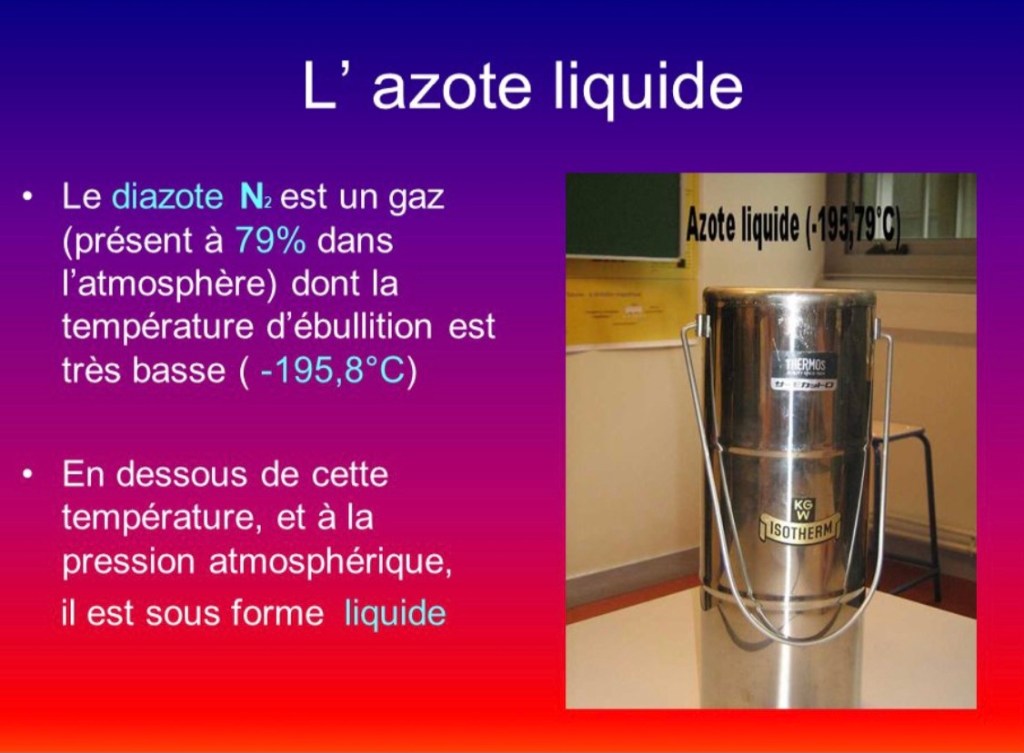
Azote liquide (195,79°C) = Cryo-Sauna
Compresseur mono-étagé
Compresseur tri-étagés en cascade
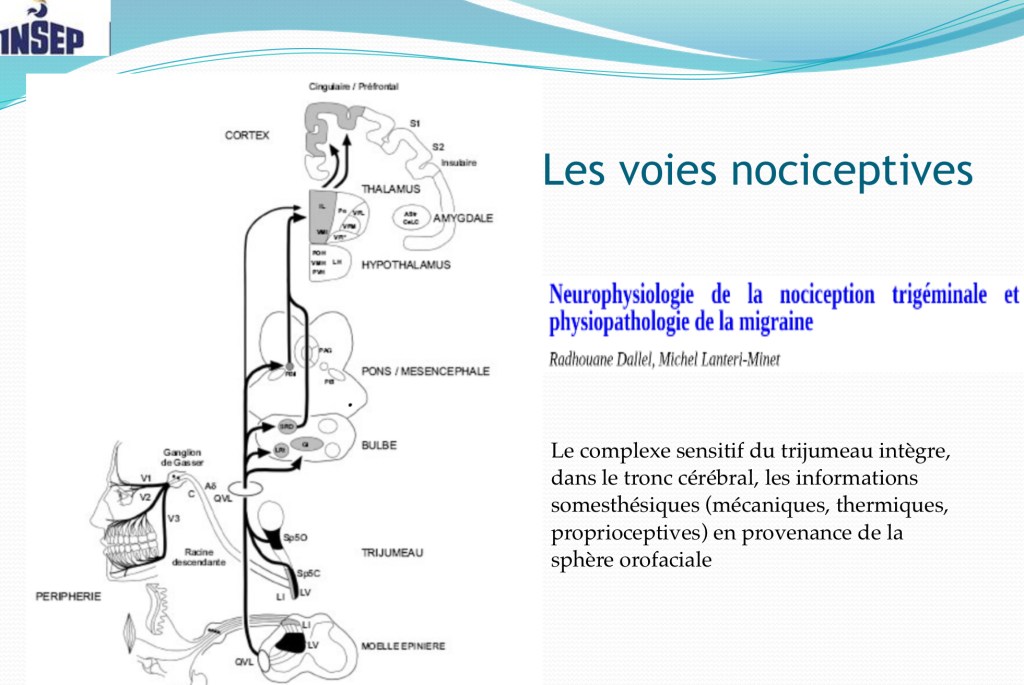
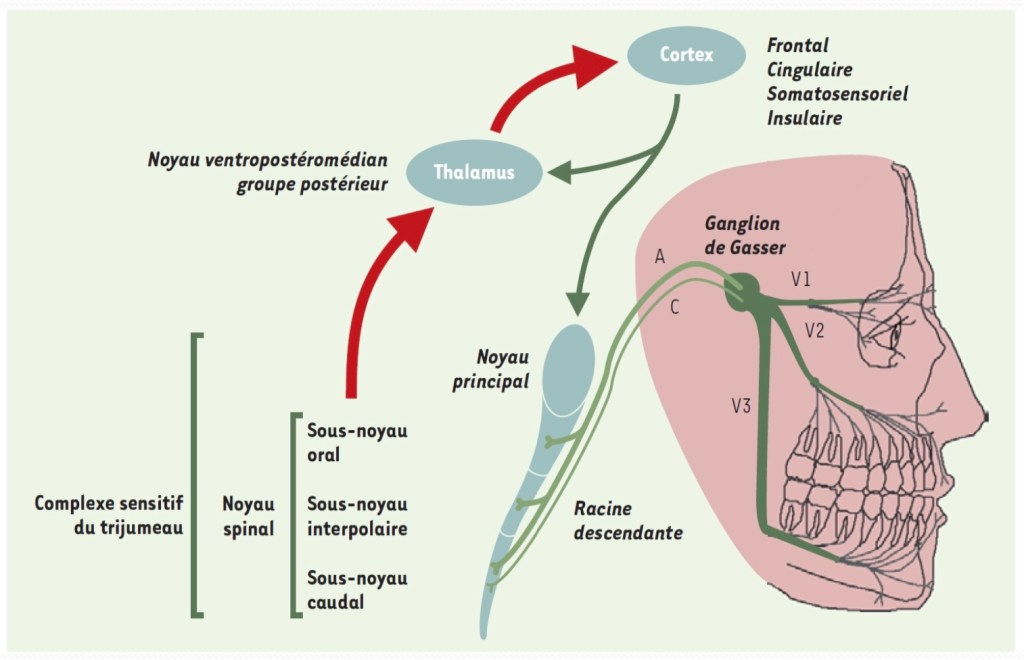
Complexe sensitif du trijumeau


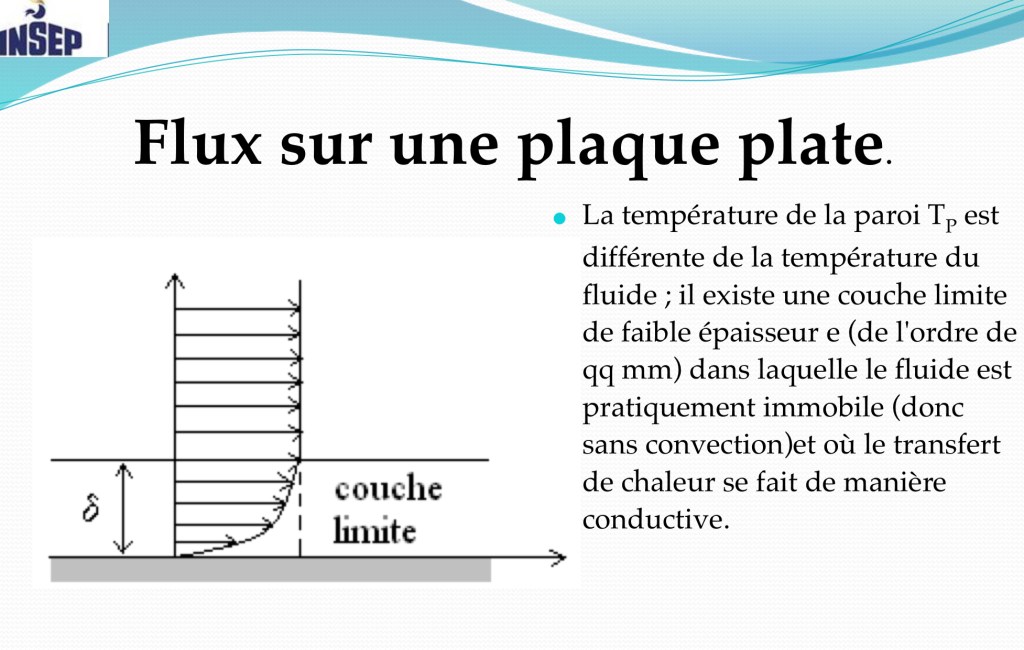
Gradient de température

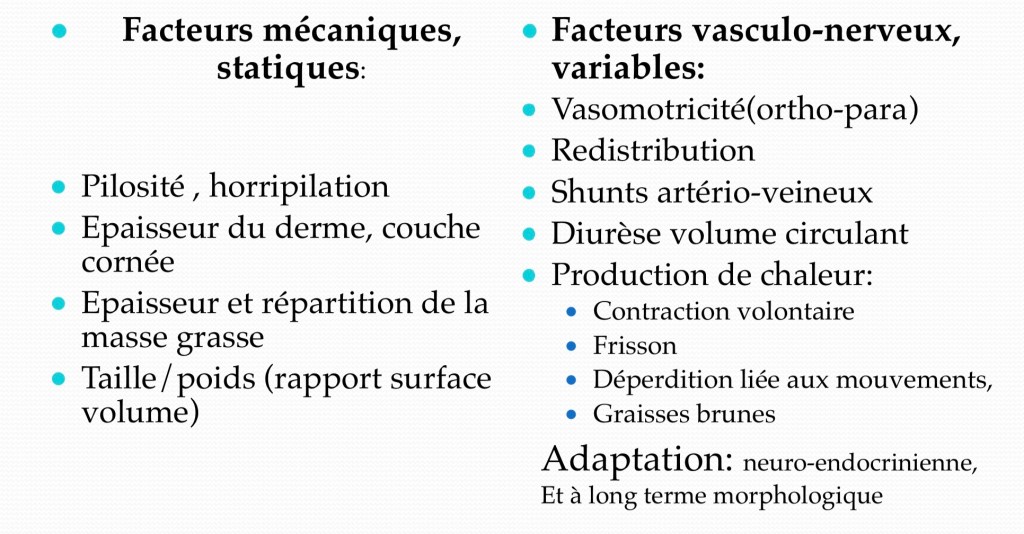
Nous ne sommes pas égaux devant le froid