Current Evidence on Diagnostic Criteria, Relevant Outcome Measures, and Efficacy of Nonpharmacologic Therapy in the Management of Restless Legs Syndrome (RLS): A Scoping Review.

par sfcce | 2020 | Publication Santé
Objective: The aim of this scoping review is to outline the current evidence regarding the management of restless legs syndrome (RLS) with nonpharmacologic approaches. To categorize the efficacy of conservative approaches in reducing symptoms of RLS, we have identified and summarized the current data regarding diagnostic criteria and relevant outcome measures, to inform future research and to guide clinical practice.

Methods: A scoping review was conducted using the National Center for Biotechnology Information; EBSCO; the Manual, Alternative and Natural Therapy Index System; the Cumulative Index to Nursing & Allied Health Literature; and Scopus. All literature related to RLS was extracted, screened, and reviewed based on titles and abstract contents. The authors then extracted data from the 24 admissible studies, that is, the ones about manual therapy, exercises, and alternative treatments for RLS. The Physiotherapy Evidence Database scale was used to rate the methodological quality of the included randomized controlled trials by 2 independent readers.

Results: In the 24 articles fulfilling the selection criteria, there was a consistent trend in the findings showing positive results in lowering RLS symptom severity. Most clinical studies based their diagnosis on the International Restless Legs Syndrome Study Group diagnostic criteria; the International Restless Legs Syndrome Study Group rating scale was the most often used outcome measure. The efficacy of exercise, yoga, massage, acupuncture, traction straight leg raise, cryotherapy, pneumatic compression devices, whole-body vibration, transcranial and transcutaneous stimulation, and near-infrared lights showed different effects on RLS symptom severity, and the level of evidence was evaluated.

Conclusion: Our results showed clinically significant effects for exercises, acupuncture, pneumatic compression devices, and near-infrared light. Short-lasting effects were identified with whole-body cryotherapy, repetitive transcranial stimulation, and transcutaneous stimulation. More studies are necessary to investigate efficacy of yoga, massage, traction straight leg raise, and whole-body vibration. No adverse effects were identified for moderate-intensity exercise, yoga, massage, and pneumatic compression devices.

Guay, A, Houle, M, O’Shaughnessy, J, Descarreaux, M. (2020) 

Full Article :  https://pubmed.ncbi.nlm.nih.gov/32900545/ 
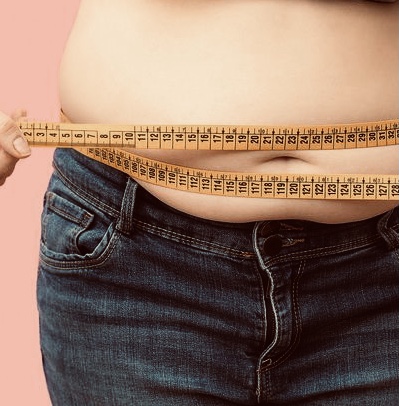
Whole-Body Cryotherapy Is an Effective Method of Reducing Abdominal Obesity in Menopausal Women with Metabolic Syndrome.

par SFCCE | 2020 | Publication Santé

Abdominal obesity predominates in menopausal women (MW) and contributes to the development of metabolic syndrome (MetS). It is associated with increased mortality related to cardiovascular disease, diabetes and fatty liver disease. The effects of whole-body cryotherapy (WBC) on body composition and the blood concentration of irisin, interleukin-6 (IL-6) and C-reactive proteins (CRP) in MW with MetS and in healthy women (HW), were assessed. The study included 19 women with MetS (61.53 ± 3.99 y, BMI 30.09 ± 4.98 kg/m2) and 18 HW (60.28 ± 3.63 y, BMI 25.50 ± 2.37 kg/m2) who were subjected to 20 WBC treatments at -130 °C for 3 min daily. In both groups, body mass (BM), BMI, abdominal circumference, triceps skinfold, total fat mass and percentage of leg fat significantly decreased after 20 WBC sessions. Additionally, the percentage of total, trunk and android fat in the MetS group were significantly decreased after 20 WBC applications. Waist circumference (WC) and waist-to-height ratio (WHtR) significantly decreased in both groups, and in the HW group, hip circumference and abdominal skinfold also significantly decreased after 10 WBC and 20 WBC treatments. In both groups, the concentration of plasma irisin significantly increased after 1 WBC and 10 WBC exposures, while the concentration of IL-6 significantly increased only in MetS group after 10 WBC and 20 WBC, and were significantly higher than in HW. CRP concentrations were significantly higher in the MetS group than in HW before 1 WBC, after 1 WBC and 10 WBC sessions, but not after 20. In the MetS group, there were significant negative correlations between the change in irisin level and the changes in WC and BM, and between the level of irisin and the change in percentage of total fat, and significant negative correlations between the change in IL-6 level and changes in WC, waist-to-hip ratio and WHtR. Whole-body cryotherapy, assuming the application of 20 treatments in the series, reduces abdominal obesity in menopausal women indirectly through the secretion of irisin and IL-6, and can be used as adjunctive therapy in the treatment of metabolic syndrome. Our conclusion is limited to menopausal women with low-moderate physical activity for whom its level as well as diet were not changed during the treatment.

Wiecek, M, Szymura, J, Sproull, J, Szygula, Z. (2020)

Full Article :  https://pubmed.ncbi.nlm.nih.gov/32872598/ 

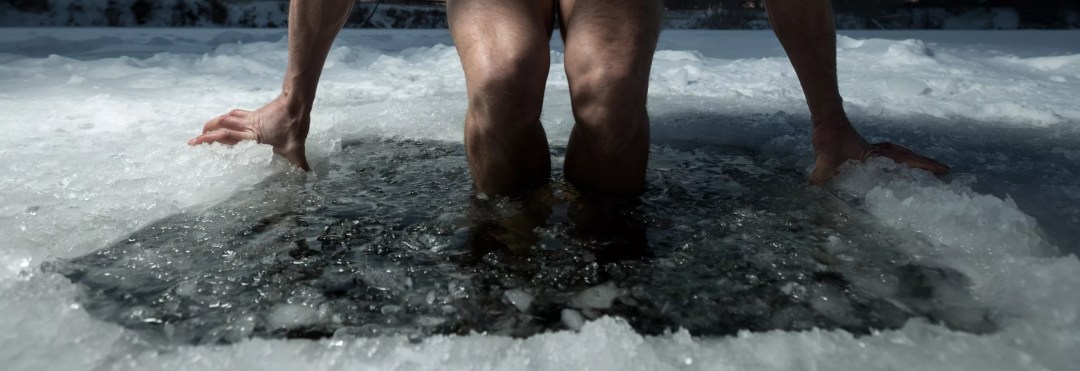
Cryotherapy chambers and cold-water immersion : therapeutic use and risks

par SFCCE | 2020 | Publication Santé

Whole body cryotherapy is mainly performed either by immersion in cold water or in a cryotherapy chamber. Practiced since Antiquity and considered as a « natural » method, cryotherapy is attracting more and more followers. Beneficial health effects have been described in the literature. However, interpretation of its effects is difficult due to low quality of current studies. Cryotherapy could however be useful in addition to conventional therapies in various pathologies and situations, provided that the risks, contraindications and rules of good practice are known.

Chiari, M, Saubade, M, Besson, C, Desgraz, B, Gremeaux, V. (2020)

Full Article :  https://pubmed.ncbi.nlm.nih.gov/32833356/ 

Ventilatory responses to whole body cryotherapy.

par SFCCE | 2020 | Publication Santé

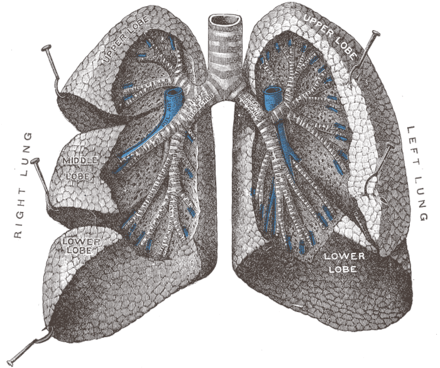
The effects of whole body cryotherapy (WBC) on measures of respiratory function, and their interaction with sex and anthropometry, are unknown. This study investigated ventilatory responses after WBC and examined the role of sex and anthropometric characteristics in 22 recreationally active male and female participants. Thermal sensation [TS], heart rate, blood pressure and ventilatory measures (expired volume [V˙E], oxygen consumption [V˙O2], respiratory exchange ratio and metabolic equivalents of task [METS]) were evaluated pre- and post-WBC, compared to a control condition. V˙E increased by 10.8 L.min-1 following WBC compared to 0.1 L.min-1 in the control session (p=.001). V˙O2 increased by 0.4 L.min-1 following WBC compared to 0.0 L.min-1 in the control session (p<.001). METS increased by 1.0 following WBC compared to 0.1 in the control session (p<.001). TS decreased by 2 following WBC compared to 0 in the control session (p<.001), with females’ TS decreasing significantly more than males following WBC (p=.001). Following a WBC exposure, highly significant strong negative relationships were observed between fat mass index and ΔV˙O2 (p=.002, r=-.718), body fat percentage and ΔV˙O2 (p=.003, r=-.700), fat mass index and ΔMETS (p=.001, r=-.729), body fat percentage and ΔMETS (p=.004, r=-.676). Furthermore, strong, statistically significant positive correlations were observed following a WBC exposure between BSA to mass ratio and TS (p=.005, r=-.669), TS and BSA (p<0.001, r=.776) and fat free mass index and TS (p=.001, r=.745). A short exposure to WBC elicits a ventilatory response via increased V˙O2, V˙E and METS. The largest increases occur within the first minute post-exposure, but return to near resting levels 1 min post-WBC. Increases in V˙O2, V˙E and METS observed post-WBC are likely due to an acute transient shivering response due to cold air exposure.

Hammond, L, Mitchell, K, Cuttell, S. (2020)

Full Article :  https://pubmed.ncbi.nlm.nih.gov/32716875/ 

Efficacy of the Whole-Body Cryotherapy as Add-on Therapy to Pharmacological Treatment of Depression-A Randomized Controlled Trial.

par SFCCE | 2020 | Publication Santé

Introduction: Accumulating evidence indicates the effectiveness of cryogenic temperature interventions in rheumatoid arthritis, ankylosing spondylitis, fibromyalgia, multiple sclerosis, and chronic low back pain. The application of whole-body cryotherapy (WBC) in psychiatric aspects of medicine was also noted. Nevertheless, the exact mechanisms explaining the beneficial effect of WBC on mood disorders remain unclear. The study aimed to assess the efficacy of repetitive short exposure to extremely low temperatures (WBC) on mood, quality of life as well as on biochemical measures among people diagnosed with depressive episode undergoing pharmacological treatment.

Materials and methods: Prospective randomized, double-blind sham-controlled protocol was used. The study enrolled 92 medically stable adults (aged 20-73 years) with a diagnosis of a depressive episode. The participants were randomly allocated and exposed to 10 whole-body cryotherapy (WBC) sessions (-110°C till -160°C [the experimental group (EG)] or to low, but not cryogenic temperatures -50°C [the control group (CG)]. Thirty participants in the EG and 26 in CG completed the whole study. The primary outcome measures were depressive symptoms evaluated with the Beck Depression Inventory-II (BDI-II) as well as the Hamilton Depression Rating Scale (HAM-D 17). The quality of life, quality of sexual life, acceptance of the disease and self-reported mood, vitality, and sleep quality were assessed as secondary outcome measures. The study was registered at Australian New Zealand Clinical Trials Registry (ACTRN12619001600134).

Results: The results show evidence for a statistically significant difference in the clinical assessment of depressive symptoms according to HAM-D 17 scale (T4 by group interaction p=0.02), BDI-II (T2 time by group interaction p=0.01), cognitive-affective BDI dimension (T4 by group interaction p=0.00), and somatic BDI dimension (T4 by group interaction p=0.028). Significant improvement was also noticed in life quality (p < 0.05), self-assessed mood (p=0.035), and disease acceptance (p=0.007). There were no statistically significant changes related to sexual satisfaction, self-assessed vitality, and sleep (p > 0.05).

Conclusions: Whole-body cryotherapy is a useful method to improve standard pharmacological treatment. The WBC intervention reduces mental health deterioration, especially in mood disorders, such as depression, and can be beneficial for well-being and quality of life.

Rymaszewska, J, Lion, KM, Pawlik-Sobecka, L, Pawłowski, T, Szcześniak, D, Trypka, E, Rymaszewska, JE, Zabłocka, A, Stanczykiewicz, B. (2020)

Full Article :  https://pubmed.ncbi.nlm.nih.gov/32581890/ 

The use of whole-body cryotherapy: time- and dose-response investigation on circulating blood catecholamines and heart rate variability.

par SFCCE | 2020 | Publication Santé


Purpose: A predominance of parasympathetic drive is observed following cold exposure. Such modulation of the autonomic nervous system (ANS) is associated with faster post-exercise recovery. Within this context, whole-body cryotherapy (WBC) has been spreading in sport medicine, though the optimal temperature and frequency are unclear. The aim of this study was to examine the effects of different cryotherapy conditions on the sympathovagal balance.

Methods: Forty healthy males were randomly assigned into five different groups (- 110 °C, – 60 °C, – 10 °C, control temperature [≃ 24 °C]) and undertook 5 WBC sessions over 5 consecutive days. Cardiac autonomic activity was assessed through heart rate variability (HRV) using power density of high frequency (HF), root-mean square difference of successive R-R intervals (RMSSD) and sympathovagal balance (LF/HF). Systemic sympathetic activity was assessed via circulating blood catecholamines.

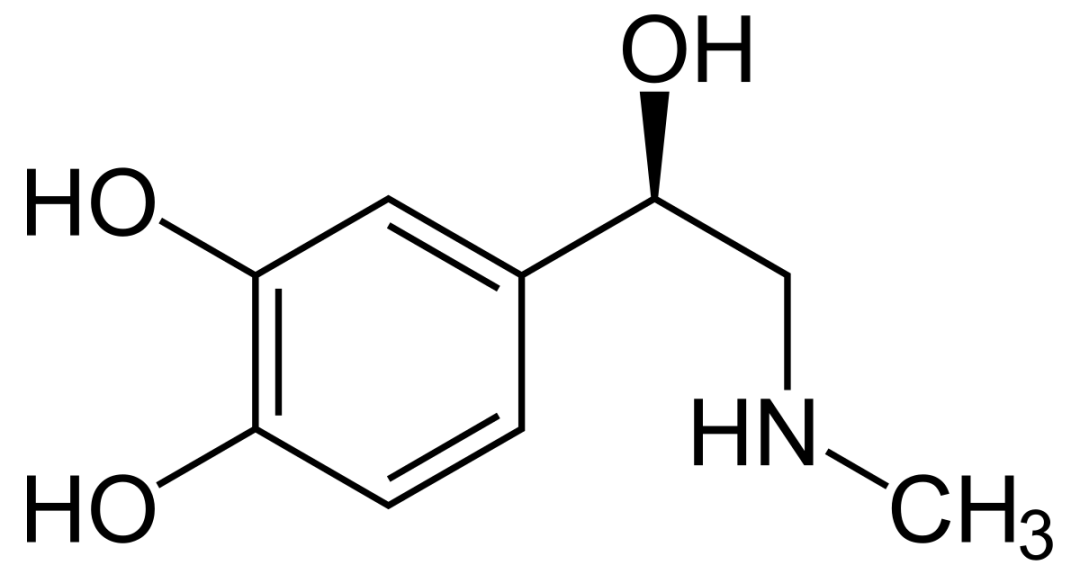
Results: Mean weekly RMSSD (pre: 48 ± 22 ms, post: 68 ± 29 ms) and HF (pre: 607 ± 692 ms2, post: 1271 ± 1180 ms2) increased (p < 0.05) from pre to post WBC, only in the – 110 °C condition. A rise in plasma norepinephrine was found after the first – 110 °C WBC session only (pre: 173 ± 98, post: 352 ± 231 ng L-1, p < 0.01); whereas, it was not significant after the 5th session (pre: 161 ± 120, post: 293 ± 245 ng L-1, p = 0.15).

Conclusion: These results suggest that one – 110 °C WBC exposure is required to stimulate the ANS. After five daily exposures, a lower autonomic response was recorded compared to day one, therefore suggesting the development of physiological habituation to WBC.

Louis, J, Theurot, D, Filliard, JR, Volondat, M, Dugué, B, Dupuy, O. (2020)

Full Article :  https://pubmed.ncbi.nlm.nih.gov/32474683/ 

Moyamoya Presenting after Whole Body Cryotherapy.

par SFCCE | 2020 | Publication Santé


Background purpose: Moyamoya syndrome is the progressive stenosis of intracranial carotids with secondary collateralization. Whole body cryotherapy (WBC) involves external cooling and is used in holistic and sports medicine, its neurologic effects are unknown.

Case report: We report a first case of symptoms of moyamoya syndrome presenting following WBC and diagnosed with classic MRI ( “Brush Sign”, “Ivy sign”) and digital subtracted angiography.

Conclusion: WBC may provoke symptoms of moyamoya syndrome possibly through hyperventilation or vasoconstriction. Practitioners should be aware of possible consequences of WBC in patients with poor cerebrovascular reserve.

Chen, PM, Chen, MM, Chiang, CC, Olson, S, Bolar, DS, Agrawal, K. (2020)

Full Article :  https://pubmed.ncbi.nlm.nih.gov/32436205/ 

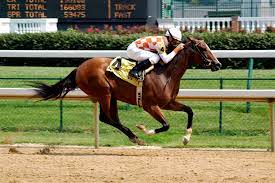
Critical Evaluation of Whole-Body Cryostimulation Protocol in Race Horses.

par SFCCE | 2020 | Publication Santé

Cold therapy is commonly used to relieve pain and inflammation and to aid in muscle recovery after exercise in human medicine. A number of applications have also been observed in veterinary practice. In this article, a critical evaluation of equine protocol applied with a new commercial concept of equine whole-body cryostimulation (WBC) was made. With this new concept of WBC, the protocol usually utilized for relieving pain and discomfort in humans has been extended to horses. The investigations described herein focus on the reduction of horse skin temperature when applying human WBC protocols. Based on infrared thermography measurements, results show that exposing a horse for 3 minutes to a temperature of -140°C, which are conventional parameters used for humans, does not induce sufficient skin thermal gradients in horses. Consequently, beneficial cold reflexes such as vasomotor, neuroconduction, and biochemical reactions cannot be triggered. Further investigations should therefore be carried out to design an adequate protocol specifically aimed at horses.

Bogard, F, Bouchet, F, Murer, S, Filliard, JR, Beaumont, F, Polidori, G. (2020)

Full Article :  https://pubmed.ncbi.nlm.nih.gov/32303300/ 

The effect of whole-body cryostimulation on body composition and leukocyte expression of HSPA1A, HSPB1, and CRP in obese men.

par SFCCE | 2020 | Publication Santé

In recent years, the prevalence of obesity has increased dramatically and has become a 21st century epidemic. Obesity is associated with the development of many diseases, and therefore treatments that can reduce body mass are actively sought. The aim of this study was to examine the effect of 20 cryostimulation sessions on body composition in obese/high body mass (HBM, n = 12) males and normal body mass (NBM, n = 9) controls. The HBM group had a mean age = 29.08 ± 4.19 years, body fat percentage = 32.08 ± 6.16%, body mass index = 36.23 ± 8.13 kg/m2) and NBM group had a mean age = 22.00 ± 2.45 years, body fat percentage = 12.14 ± 4.93%, body mass index = 23.58 ± 2.00 kg/m2. Kilocalorie intake was similar for both groups. All participants received 20 sessions of systemic cryostimulation at -120°C for 2-3 min in a cryochamber. Blood samples were collected before the first session, 1 h after the 10th session, and 1 h after the 20th cryostimulation session. C-reactive protein (CRP) plasma concentrations, and expression of the heat shock protein genes (HSPA1A, HSPB1) and CRP mRNA in leukocytes were evaluated after 10 and 20 cryostimulation sessions. In both groups, 20 sessions were associated with a significant decrease in body mass, fat mass and the percentage of body fat. CRP concentrations were significantly higher in obese people before the first session and after 10 treatments, but not at the end of study. Expression of HSPA1A and HSPB1 mRNA gradually decreased with the number of cryostimulation sessions. A significant difference in HSPA1A expression was found after 20 sessions (NBM > HBM) and for HSPB1 at baseline and after 20 sessions (HBM > NBM). Our results show that cryostimulation influences body composition and that cryostimulation-induced HSP genes expression depends on the number of cryosessions and baseline body mass, and is differentially altered in HBM individuals. Further research on the interaction between body mass and cold adaptation is warranted.

Pilch, W, Wyrostek, J, Major, P, Zuziak, R, Piotrowska, A, Czerwińska-Ledwig, O, Grzybkowska, A, Zasada, M, Ziemann, E, Żychowska, M. (2020)

Full Article : https://pubmed.ncbi.nlm.nih.gov/32289283/ 

Whole-body cryotherapy – promising add-on treatment of depressive disorders.

par SFCCE | 2020 | Publication Santé

Objectives: New, effective biological interventions for treatment of depressive episodes and recurrent depression are still needed. Whole-body cryotherapy (WBC), which is a treatment using cryogenic temperature, is a novel therapeutic modality in neurology and rheumatology. The objective of this study was to determine the efficacy and safety of WBC as an add-on treatment for depressive episode.

Methods: 30 adults diagnosed with depressive episode were recruited to an observational, prospective study. 21 participants (17 women, 81%), mean age 46.1 (±16.7), completed the whole study procedure. The Hamilton Depression Rating Scale and the Beck Depression Inventory were used to assess the severity of depressive symptoms. Additionally, quality of life and anhedonia were assessed with the WHOQoL-BREF and the SHAPS. Participants undertook 10, 2-minute (from – 110 C to – 135 degrees C) WBC sessions within two weeks.

Results: Patients after WBC sessions showed significant improvement in the form of a reduction in total scores in scales assessing depressive symptoms: the HDRS (p< 0.00001) between T1 (16.94±4.3) and T4 (4.50±4.2) and the BDI-II (T1: 13.48±4.6; T4: 6.14±6.7, p<0.03), lower anhedonialevelon SHAPS (p =0.011) and higher quality of lifein thefollowing domains: physical health (p =0.024), psychological health (p =0.016) and environmental domain (p =0.003). Pre/post comparison of self-report well-being measured by the VAS scale showed a significant increase (p< 0.00001). It was shown that WBC have no effect on the level of cytokines, NO, hsCRP, ESR and TAS in blood (p> 0.05).

Conclusions: WBC proved to be an effective, safe, and tolerable add-on intervention in patients with depressive episode. Further randomized controlled trials should be conducted.

Keywords: depression; whole-body cryotherapy.

Rymaszewska, J, Urbanska, K, Szcześniak, D, Pawłowski, T, Pieniawska-Śmiech, K, Kokot, I, Pawlik-Sobecka, L, Płaczkowska, S, Zabłocka, A, Stańczykiewicz, B. (2020)

Full Article :  https://pubmed.ncbi.nlm.nih.gov/31955185/