The Effect of Repeated Whole-Body Cryotherapy on Sirt1 and Sirt3 Concentrations and Oxidative Status in Older and Young Men Performing Different Levels of Physical Activity.

par SFCCE | 2020 | Publication Sport
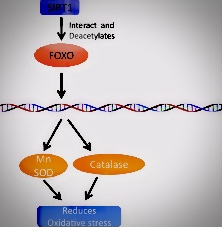
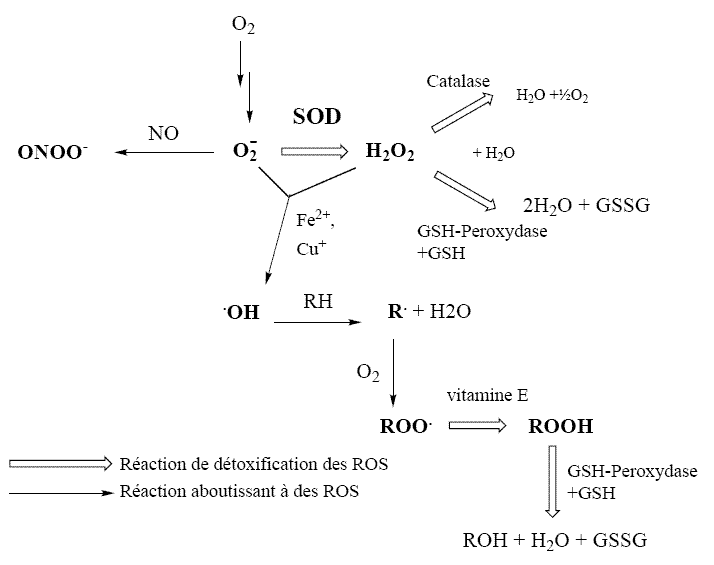
Background: The activity of antioxidant enzymes and sirtuins (Sirt) decreases along with age, which is counteracted by aerobic training. Sirtuins increase antioxidant defence. Whole-body cryotherapy (WBC) increases total antioxidant capacity (TAC) in young men. The aim of our study was to assess the impact of 24 WBC treatments on the blood concentration of selected sirtuins and the level of antioxidant defence as well as oxidative stress index of training and non-training men depending on age. Methods: The study involved 40 males. In each group, there were 10 non-training older and young men (60 NTR and 20 NTR), and 10 older and young long-distance runners (60 TR, 20 TR). During an 8-week period, participants underwent 24 WBC treatments (3 min -130 °C), which were performed three times a week (Monday, Wednesday, Friday). The concentrations of Sirt1, Sirt3, TAC, total oxidative status and the activity of superoxide dismutase (SOD), catalase and glutathione peroxidase (GPx) in the blood were determined before 1 WBC and after 1 WBC, 12 WBC and 24 WBC. Results: After 1 WBC, the activity of GPx and the concentration of Sirt1 and TAC in 60 TR and TAC in 60 NTR increased. After 12 WBC, the level of Sirt1 in 20 NTR and SOD in 20 TR increased. After 24 WBC, the level of Sirt1 increased in 60 TR and in 20 NTR, Sirt3 in 60 TR and SOD in 20 TR. Conclusions: Cryogenic temperatures increase blood levels of Sirt1 and Sirt3 and systemic antioxidant defence in men, but the effect is dependent on age, level of performed physical activity and the number of applied treatments.

Wojciak, G, Szymura, J, Szygula, Z, Gradek, J, Wiecek, M. (2020)

Full Article :  https://pubmed.ncbi.nlm.nih.gov/33396247/ 

The Impact of Recovery Practices Adopted by Professional Tennis Players on Fatigue Markers According to Training Type Clusters.

par SFCCE | 2020 | Publication Sport

Introduction: Modern tennis players face congested schedules that force the adoption of various recovery strategies. Thus, recovery must be fine-tuned with an accurate quantification of its impacts, especially with regards to training-induced fatigue. The present study aimed to examine the training type clusters and recovery practices adopted by elite tennis players under ecological training conditions. The respective impacts of training type clusters and recovery techniques on subjective variables, which reflect the players’ recovery perceptions, were subsequently determined. Methods: During 15 consecutive months, a total of 35 elite tennis players filled out questionnaires to report their daily training load, training session content, adopted recovery modalities after training, and perceived recovery. Results: The hierarchical analysis identified three clusters: “combined tennis and S&C training,” “predominant tennis training” and “predominant S&C training.” Muscle soreness and perceived fatigue were not significantly different among these three clusters (p = 0.07-0.65). Across the 146 recorded training and recovery sessions, players primarily employed a combination of 2 or 3 modalities, with cooling strategies being the most widely used technique (87.6%). Mixed linear models revealed that independent of training clusters, cooling strategies significantly reduced muscle soreness (Δmuscle soreness: β = -1.00, p = 0.02). Among the cooling techniques used, whole-body cryotherapy induced a greater perceived recovery than cold-water immersion (p = 0.02). Conclusion: These results showed that perceived recovery was not sensitive to training clusters or the associated acute training load. However, cooling strategies were relevant for the alleviation of tennis training-induced soreness. This study represents an initial step toward a periodized approach of recovery interventions, based on the interactions between training load, training contents, and perceived recovery.

Poignard, M, Guilhem, G, de Larochelambert, Q, Montalvan, B, Bieuzen, F. (2020)

Full Article :  https://pubmed.ncbi.nlm.nih.gov/33345098/ 

Effects of whole-body cryotherapy on the innate and adaptive immune response in cyclists and runners.

par SFCCE | 2020 | Publication Sport

The study aimed to identify the effects of whole-body cryotherapy (WBC) on immunological, hormonal, and metabolic responses of non-professional male athletes. Ten cyclists and ten middle-distance runners received 3 once-a-day sessions of WBC. Before initiating and after the final WBC session, a full set of hematologic parameters, serum chemistry profile, hormones, circulating mitochondrial (mt) DNA levels, cytokines, and chemokines concentration were evaluated. The phenotype of monocyte, T cells, and B cells was analyzed. mRNA expression of 6 genes involved in inflammasome activation (NAIP, AIM2, NLRP3, PYCARD, IL-1β, and IL-18) was quantified. WBC reduced glucose and C and S protein and increased HDL, urea, insulin-like growth factor (IGF)-1, follicle-stimulating hormone, IL-18, IL-1RA, CCL2, and CXCL8. Intermediate and non-classical monocyte percentages decreased, and the CD14, CCR5, CCR2, and CXCR4 expressions changed in different subsets. Only IL-1β mRNA increased in monocytes. Finally, a redistribution of B and T cell subsets was observed, suggesting the migration of mature cells to tissue. WBC seems to induce changes in both innate and adaptive branches of the immune system, hormones, and metabolic status in non-professional male athletes, suggesting a beneficial involvement of WBC in tissue repair.

Nasi, M, Bianchini, E, Lo Tartaro, D, De Biasi, S, Mattioli, M, Paolini, A, Gibellini, L, Pinti, M, De Gaetano, A, D’Alisera, R, Roli, L, Chester, J, Vittoria Mattioli, A, Polverari, T, Maietta, P, Tripi, F, Stefani, O, Guerra, E, Savino, G, Trenti, T, Cossarizza, A. (2020)

Full Article :  https://pubmed.ncbi.nlm.nih.gov/33159311/ 

Affective response to whole-body cryotherapy: Influence of sex, body mass index, age, time of day, and past experience.

par SFCCE | 2020 | Publication Santé

Objective: Whole-Body Cryotherapy (WBC) has seen a recent surge in popularity with patients with inflammatory conditions, athletes, and even people seeking to improve general health and quality of life. WBC treatment usually requires participation in a dozen of 3-min long sessions. But compliance is considered difficult due to possible cold-induced unpleasant sensations. Based on hedonic psychology assumptions, ratings of pleasure-displeasure experienced during a taks or activity may be important to understand individual differences in attendance.

Methods: Two hundred fifty-nine customers from two French cryocenters took the Feeling Scale immediately after their first WBC session.

Results: End affect appeared to be negatively valenced (M = -1.85, SD = 1.38, 95 % confidence interval: -2.02 to -1.68). Additional statistical analyses revealed a moderating influence of past experience, in women only. Similarly, BMI was found to be negatively associated with displeasure in women, but not in men.

Conclusion: These findings are discussed, and further research directions are suggested.

Legrand, FD, Bogard, F, Beaumont, F, Bouchet, B, Blancheteau, Y, Polidori, G. (2020)

Full article :  https://pubmed.ncbi.nlm.nih.gov/33234406/ 

Preliminary study on the effect of sex on skin cooling response during whole body cryostimulation (-110 °C): Modeling and prediction of exposure durations.

par SFCCE | 2020 | Publication Santé

In order to determine the required duration of whole-body exposure to extreme cold (-110 °C) in males and females for achieving the same cold-induced response, a mathematical model of skin cooling kinetics was developed. This modeling is derived from the implementation of a new experimental cryotherapy protocol to obtain continuous skin temperature maps over time. Each 3-min whole-body cryostimulation session was divided into six incremental sessions of 30 s carried out over six consecutive days. Seventeen young, healthy subjects (8 males aged 22.6 ±3.0 years and 9 females aged 23.7 ±4.7 years) agreed to participate in this study. The smallest sex-related difference in temperature was found in the trunk area (2.93 °C after 3 min) while the greatest temperature drop was found in the lower limbs (5.92 °C after 3 min). The largest temperature variation was observed between the trunk and the lower limbs, and peaked at 2.67 °C in males and 6.99 °C in females. For both sexes, skin cooling kinetics showed a strong transient exponential type decrease followed by linear regression behavior. It appeared that for achieving the same cold-induced response, the required duration of cryostimulation is longer for males. For example, a trunk skin cooling of -12 °C could be achieved in 125s for females vs 170s for males (+36% longer); for the lower limbs, the same skin cooling magnitude could be reached after 87s for females vs 140s for males (+62% longer).

Polidori, G, Elfahem, R, Abbes, B, Bogard, F, Legrand, F, Bouchet, B, Beaumont, F.(2020)

Full Article :  https://pubmed.ncbi.nlm.nih.gov/33130106/ 

Whole-Body Cryostimulation Improves Inflammatory Endothelium Parameters and Decreases Oxidative Stress in Healthy Subjects.

par SFCCE | 2020 | Publication Santé

Background: The purpose of this study was to estimate the effect of whole-body cryostimulation (WBC) and subsequent kinesiotherapy on inflammatory endothelium and oxidative stress parameters in healthy subjects.

Methods: The effects of ten WBC procedures lasting 3 min per day and followed by a 60-min session of kinesiotherapy on oxidative stress and inflammatory endothelium parameters in healthy subjects (WBC group n = 32) were analyzed. The WBC group was compared to a kinesiotherapy only (KT; n = 16) group. The following parameters were estimated one day before the start, and one day after the completion of the studies: oxidative stress parameters (the total antioxidant capacity of plasma (FRAP), paraoxonase-1 activity (PON-1), and total oxidative status (TOS)) and inflammatory endothelium parameters (myeloperoxidase activity (MPO), serum amyloid A (SAA), and sCD40L levels).

Results: A significant decrease of PON-1 and MPO activities and TOS, SAA, and sCD40L levels as well as a significant FRAP increase were observed in the WBC group after the treatment. In addition, the SAA levels and PON-1 activity decreased significantly after the treatment in both groups, but the observed decrease of these parameters in the WBC group was higher in comparison to the KT group.

Conclusion: WBC procedures have a beneficial impact on inflammatory endothelium and oxidative stress parameters in healthy subjects, therefore they may be used as a wellness method.

Stanek, A, Wielkoszyński, T, Bartuś, S, Cholewka, A. (2020)

Full Article :  https://pubmed.ncbi.nlm.nih.gov/33371392/ 

Use of Cryotherapy for Managing Chronic Pain: An Evidence-Based Narrative.

par SFCCE | 2020 | Publication Santé

Background: Cryotherapy has been used to reduce chronic pain for many years due in part to its ease of use, affordability, and simplicity. It can be applied either locally (e.g., ice packs) or non-locally (e.g., partial and whole-body cryotherapy) depending on the location of the pain.

Objectives: To determine the overall effectiveness of cryotherapy at reducing chronic pain by characterizing the currently available evidence supporting the use and effects of cryotherapy on chronic pain associated with chronic diseases.

Study design: A narrative review of original research studies assessing the efficacy of cryotherapy in alleviating chronic pain.

Methods: A PubMed database search was performed to find human studies between the years 2000 and 2020 that included the application of cryotherapy in patients with chronic pain associated with chronic diseases. A review of the relevant references was also performed to gather more articles. Data was extracted, summarized into tables, and qualitatively analyzed.

Results: Twenty-five studies (22 randomized controlled trials, one prospective analysis, 1 one-group pretest/posttest study, and one case-control study) were included after the literature search. Both local and non-local cryotherapy applications show promise in reducing chronic pain associated with various chronic diseases including those of rheumatic and degenerative origin. Cryotherapy appears to be a safe therapy in carefully selected patients, with only minimal adverse effects reported in the literature.

Limitations: Meta-analysis was not possible given the many differences between studies. Cross-study data homogenization and comparison between studies proved fairly difficult due to the lack of standardized studies, various uses and practice types of cryotherapy, and lack of control groups in some studies.

Conclusions: Local and non-local cryotherapy can be low-risk and easy treatment options to add in the management of chronic pain in carefully selected patients. However, long-term effects, a standardized approach, and careful study of other chronic pain syndromes should be considered in future research to further support the use of cryotherapy in the management of chronic pain.

Garcia, C, Karri, J, Zacharias, NA, Abd-Elsayed, A. (2020)

Full Article :  https://pubmed.ncbi.nlm.nih.gov/33315183/ 

The impact of whole-body cryotherapy on lipid profile: A systematic review and meta-analysis.

par SFCCE | 2020 | Publication Santé

Purpose: Whole-body cryotherapy (WBC) is an already proven method of supportive therapy in somatic medicine. Emerging evidence suggests that WBC might exert beneficial effects on lipid profile; however, studies in this field have provided mixed findings.

Objective: We aimed to perform a systematic review and meta-analysis of studies investigating the impact of WBC on lipid profile.

Methods: Electronic databases (the MEDLINE, the ERIC, the CINAHL Complete, the International Pharmaceutical Abstracts as well as the Academic Search Ultimate and the Health Source: Nursing/Academic Edition) were searched from their inception until 25th April 2020. Meta-analysis was performed using random-effects models and Hedges g’ was calculated as the effect size estimate.

Results: We identified seven eligible studies. Pooled data analysis revealed significantly lower levels of triglycerides after WBC. Sensitivity analysis also demonstrated significantly lower levels of total cholesterol and low-density lipoproteins (LDL) after removing single studies. Meta-regression analysis showed that lower baseline body mass index (BMI) was significantly associated with greater changes in the levels of total cholesterol and LDL during WBC.

Conclusions: Our findings imply that WBC may exert beneficial effects on the lipid profile in terms of lowering the levels of total cholesterol, LDL and triglycerides. Lower BMI may predict a greater improvement of lipid profile during WBC. However, caution should be taken as to the way our results are being interpreted due to low number of studies and considerable methodological heterogeneity of studies included in our meta-analysis.

Rymaszewska, JE, Stańczykiewicz, B, Lion, K, Misiak, b. (2020)

Full Article :  https://pubmed.ncbi.nlm.nih.gov/33220621/ 

New Strategies for Rehabilitation and Pharmacological Treatment of Fatigue Syndrome in Multiple Sclerosis.

par SFCCE | 2020 | Publication Santé

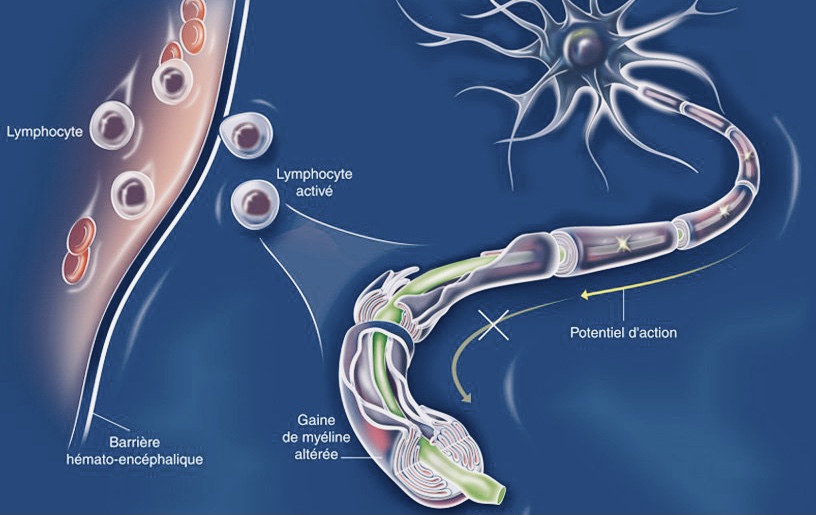
Multiple sclerosis (MS) is the most common autoimmune disease of the central nervous system (CNS), with an inflammatory demyelinating basis and a progressive course. The course of the disease is very diverse and unpredictable. Patients face many problems on a daily basis, such as problems with vision; sensory, balance, and gait disturbances; pain; muscle weakness; spasticity; tremor; urinary and fecal disorders; depression; and rapidly growing fatigue, which significantly influences quality of life among MS patients. Excessive fatigue occurs in most MS patients in all stages of this disease and is named MS-related fatigue. The crucial issue is the lack of effective treatment; therefore, this review focuses not only on the most common treatment methods, but also on additional novel therapies such as whole-body cryotherapy (WBC), functional electrical stimulation (FES), and non-invasive brain stimulation (NIBS). We also highlight the advantages and disadvantages of the most popular clinical scales used to measure fatigue. The entire understanding of the origins of MS-related fatigue may lead to the development of more effective strategies that can improve quality of life among MS patients. A literature search was performed using MEDLINE, EMBASE, and PEDro databases.

Zielińska-Nowak, E, Włodarczyk, L, Kostka, J, Miller, E. (2020)

Full Article :  https://pubmed.ncbi.nlm.nih.gov/33171768/ 

Cerebral bleeding during a cryotherapy session: A case report

par SFCCE | 2020 | Publication Santé

Introduction: Whole body cryotherapy is a new therapeutic for pain treatment. Cryotherapy is, so far, a controversial technique challenged for its efficacy and its security.

Case report: This is the case of a 61-year-old woman suffering from a haemorrhagic cerebrovascular accident during a whole-body cryotherapy session. The patient was treated for a psoriatic arthritis and was in remission. The aetiological screening was negative.

Conclusion: We hypothesize that the whole-body cryotherapy was responsible for this stroke.

Cronier, R, Fardellone, P, Goëb, V. (2020)

Full Article :  https://pubmed.ncbi.nlm.nih.gov/32994067/